Outdoor Activities for Every Season
Kentucky Lake, Lake Barkley and Land Between the Lakes do not shut down when summer ends. The way you enjoy the outdoors simply changes with the season.
Spring brings crappie into shallower water and puts hikers back on the trails. Summer is made for boating, swimming and long evenings near the lake. Fall brings cooler weather, hunting seasons and some of the year’s easiest trail conditions. Winter is quieter, but anglers, hunters and wildlife watchers still have plenty of reasons to get outside.
The trick is knowing what each season does well. You probably would not plan the same lake day in January that you would in July, and a wooded trail feels very different in October than it does during a humid afternoon in June.
Spring Brings Everything Back Outside
Fishing Moves Toward Shallow Water
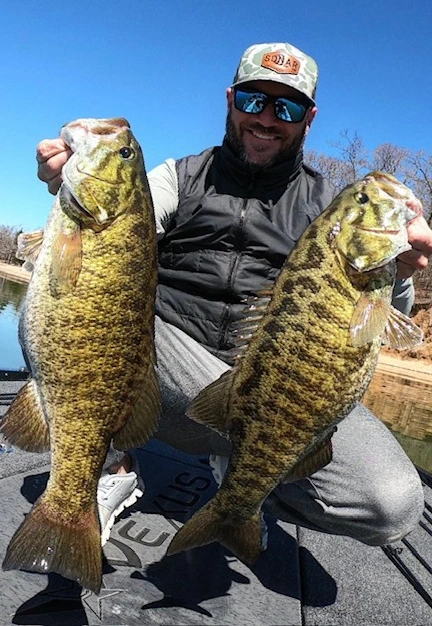
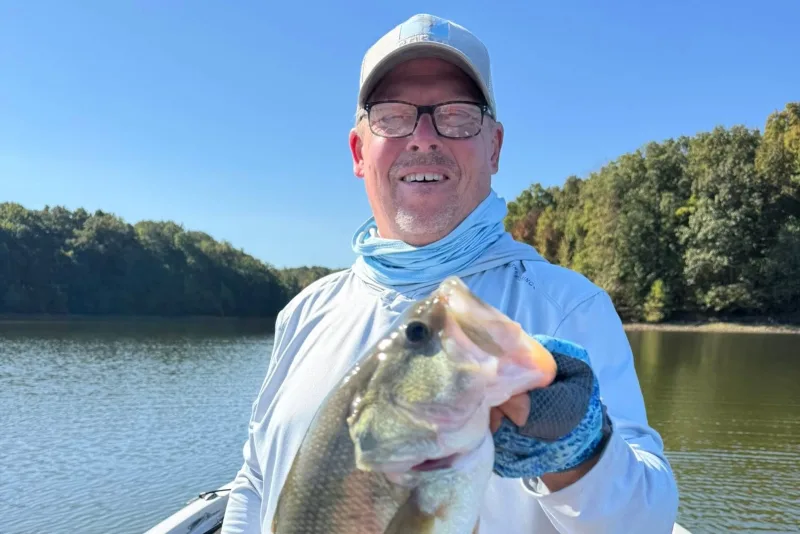
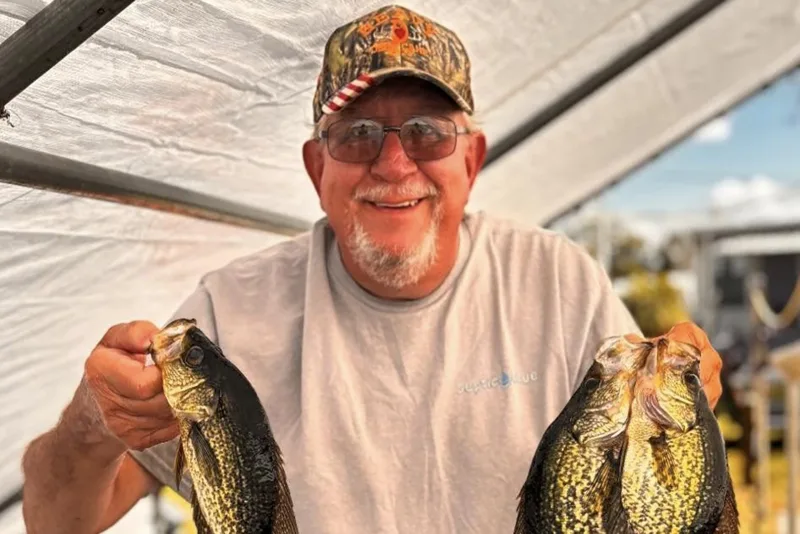
Late winter and early spring are closely tied to crappie fishing around Kentucky Lake and Lake Barkley. During February and March, crappie are often found along deeper secondary creek channels. As the water warms in April, they begin moving into shallower areas, which is why spring draws so many anglers back to the bays and creek arms. Largemouth bass also become more active along the shoreline as spring develops.
Spring fishing can change quickly from one week to the next. Water temperature, rainfall, lake level and current all affect where fish are holding. Be sure to check seasonal patterns, lake conditions, and research access points before you launch because the pattern that worked last weekend may have shifted by the time you arrive.
Trails Are Comfortable Before Summer Heat Arrives
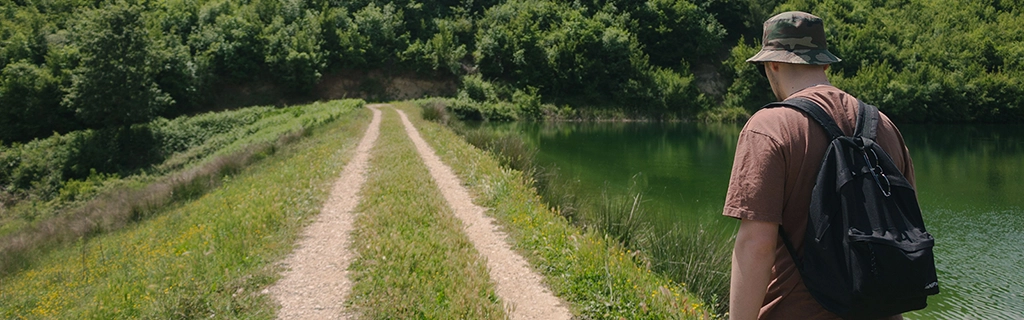
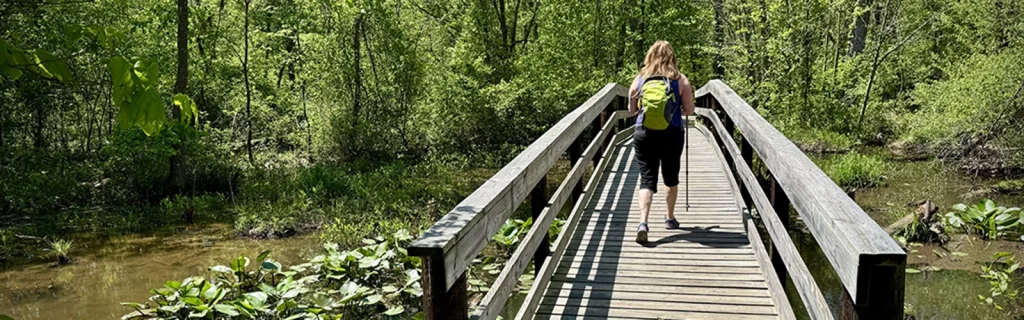
Spring is a good time to return to the trails, especially before the heavier heat and humidity settle in. Shorter walks around Hematite Lake and Center Furnace work well for a casual afternoon, while Canal Loop and the Central Hardwoods Scenic Trail give hikers an d cyclists room to cover more ground. Our trail guide includes everything from brief paved routes to longer natural-surface trails through Land Between the Lakes.
Rain is the part to watch. A warm spring day may look perfect from the parking lot, but wooded trails can stay muddy after several wet days. Waterproof shoes help, and it is always worth checking trail or road conditions before committing to one of the longer routes.
Turkey Season Changes the Woods
Spring turkey hunting is a big part of the season around the lakes and in LBL. Public and private hunting areas support spring opportunities, and Land Between the Lakes uses a combination of managed quota hunts and later open hunting periods. Exact dates, permits and regulations can change from year to year, so hunters should use current Kentucky, Tennessee and LBL information rather than relying on last season’s calendar.
Hikers and cyclists do not need to avoid the woods entirely during turkey season. It is simply smart to know what is open, remain on marked trails and wear something visible when you are heading into quieter areas early in the morning.
Summer Belongs to the Water
Boating Season Is in Full Swing
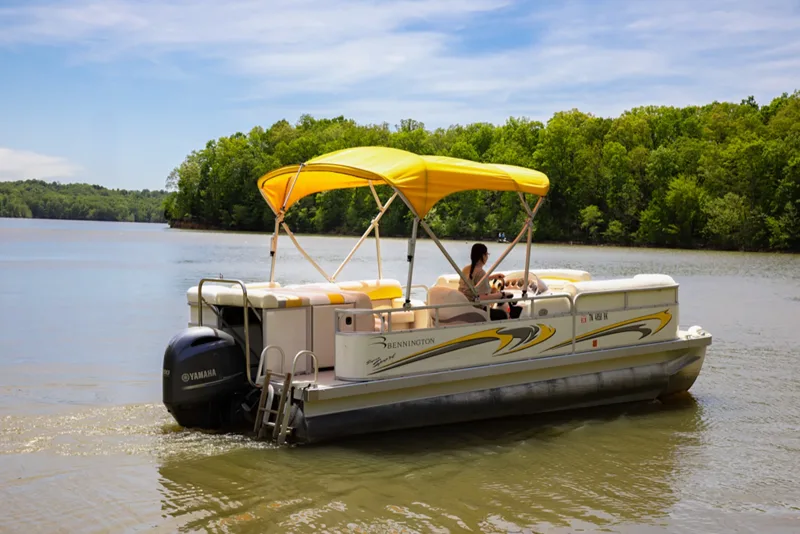
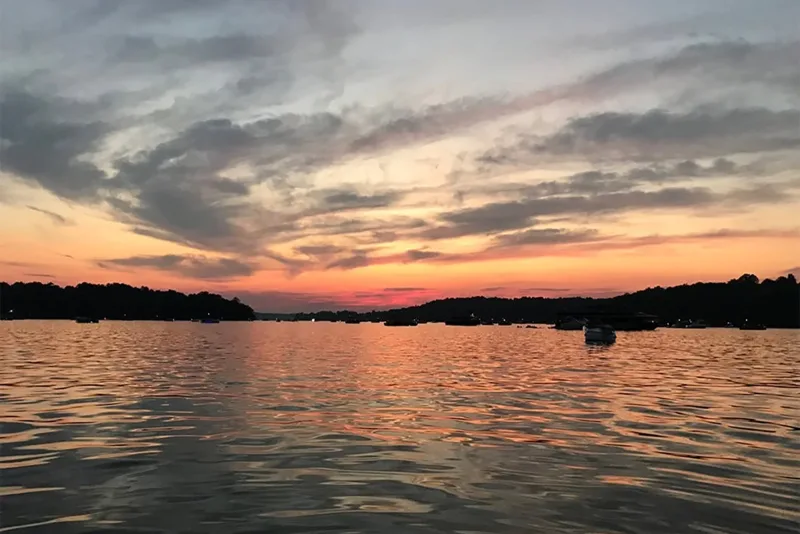
Summer is when Kentucky Lake and Lake Barkley see the widest mix of activity. Pontoon boats head into the bays, families spend afternoons swimming, anglers leave the dock before the heat builds and watersports pick up across the open lake. Kentucky and Barkley typically reach summer pool by May, with Kentucky Lake remaining near that level until the seasonal drawdown begins after the Fourth of July.
Morning is usually the easier time for fishing, paddling or crossing larger stretches of open water. Afternoon heat and wind can make conditions less comfortable, and summer thunderstorms can develop quickly. Check the radar, lake conditions and fuel level before leaving the dock rather than waiting until the sky starts changing.
Fishing Moves Deeper, but Not Everywhere
As summer settles in, largemouth bass often move from spring shoreline patterns toward deeper ledges. Late summer can bring another shallow opportunity when bass feed in the backs of embayments, especially during lower-light periods when topwater fishing may become productive.
Summer also brings strong catfish opportunities. Blue catfish are commonly associated with the main river channel, where current created by water moving through the system can improve the bite. Channel catfish are often found in embayments, while spawning activity may move catfish into shallower, rockier areas during June.
Trails Take More Planning
You can certainly hike and bike throughout the summer, but midday is usually not the most comfortable time to do it. Humidity builds quickly in the woods, and a route that felt easy in April can feel much longer during a hot July afternoon.
Ticks, mosquitoes and chiggers are part of summer in this region. Use insect repellent, stay near the center of the trail and check yourself after walking through tall grass or brush. Snakes are also more active during warmer weather. Watch your step and give them space, snakes typically want to avoid you too! Don’t reach into places you cannot see and leave any snake you encounter alone.
A morning hike followed by lunch or time on the water usually makes more sense than beginning a long trail after the day has heated up.
Fall Opens Up the Woods
Cooler Weather Makes the Trails Easier
Fall is hard to beat for hiking and biking around Land Between the Lakes. Cooler mornings make longer trails more manageable, the summer insects begin to ease and leaves gradually open up views that were hidden by dense summer growth.
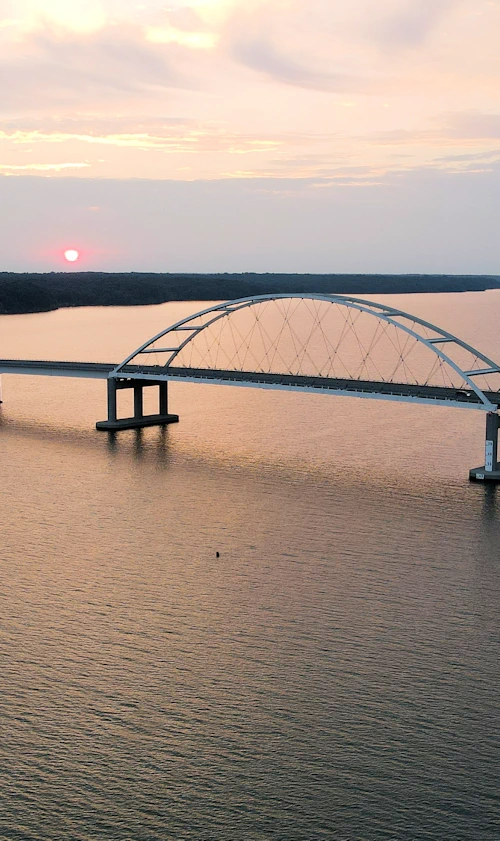
The Central Hardwoods Scenic Trail works well for walking or cycling, while Canal Loop gives visitors several route options instead of requiring one fixed distance. The bridge paths across Kentucky Lake and Lake Barkley also offer wide water views without taking you deep into the woods.
Leaves can make roots, rocks and uneven spots harder to see, especially later in the season. After rain, those same leaves become slick, so fall does not eliminate the need for good shoes and attention to the trail.
Fishing Returns to Shoreline Cover
Fall bass fishing often shifts toward rocky banks, wood cover and shallower areas as fish respond to cooling water and changing forage patterns. The bays also become more comfortable for anglers who would rather avoid the summer heat.
This is one of those seasons when conditions can differ considerably between a warm early-October afternoon and a cold morning in late November. Local reports become especially useful as water temperatures fall and fish move through changing patterns.
Hunting Becomes Part of the Local Routine
Fall brings archery, muzzleloader, youth and firearms seasons at different times across Kentucky, Tennessee and Land Between the Lakes. Deer hunting receives much of the attention, particularly as November approaches and the rut begins putting more deer on the move. Small-game and waterfowl opportunities also develop as the season continues.
Outdoor visitors should assume hunters may be present on public land during open seasons. Wear visible clothing, check current hunting dates and be aware that some areas may have special rules or quota hunts. Hunters need to confirm licenses, permits, boundaries and regulations for the exact place they plan to use.
Winter Is Quieter, Not Closed
Cold-Weather Fishing Still Draws Anglers
Kentucky Lake and Lake Barkley can be fished throughout the year. Winter anglers often focus on deeper structure and crappie patterns, with fish commonly holding along deeper channels before the late-winter move toward spring areas begins.
Winter fishing requires more attention to wind, water temperature and safety. A calm afternoon can be comfortable, while a cold wind across the main lake can change the day quickly. Fewer boats are on the water, which many anglers appreciate, and a calm winter day can offer a quieter, more peaceful fishing experience.
Wildlife Is Easier to Notice
Winter opens the woods and shorelines in a way summer cannot. With fewer leaves and less boat traffic, deer, waterfowl and birds of prey can be easier to spot. Bald eagles are frequently seen near the lakes during the winter months, and migrating ducks and geese use open water and refuge areas throughout the region.
Some refuge areas limit public access during portions of winter so waterfowl can rest and feed without disturbance. Check the location before making the drive, especially when wildlife viewing is the main purpose of the day.
Trails Feel Completely Different
Winter hiking gives you longer views through the trees, firmer ground during dry stretches and far fewer insects. Popular trails can also be much quieter than they are in spring or fall.
Shorter daylight, colder wind near the water and occasional icy or muddy spots are all part of winter hiking here. Dress in layers, give yourself plenty of daylight and save your route before entering areas with limited cell service. With a little preparation, winter trails offer quiet woods, open views and a completely different look at LBL.
Waterfowl Season Brings Hunters Back to the Shoreline
Late fall and winter are closely tied to duck and goose hunting around Kentucky Lake, Lake Barkley and nearby wetland areas. Large open-water sections, bays, flats and river backwaters can all play a role as birds move through the region.
Weather often determines how active waterfowl hunting becomes. Colder systems can push migrating birds south or move them from frozen smaller waters toward the larger lakes. As with every hunting season, current state regulations and property-specific rules should be checked before the trip.
There Isn't A Bad Time To Visit
There really is no single outdoor season around Kentucky Lake. Spring works well for crappie fishing, turkey hunting and getting back onto the trails. Summer puts most of the attention on boating, swimming and early-morning fishing. Fall brings comfortable trail weather and the heart of deer season. Winter offers quieter water, open views through the woods and migrating birds.
Some activities overlap every season, but the experience changes. A July pontoon day and a January eagle-watching trip may take place on the same lake without feeling anything alike.
Start with the kind of day you want, then check the current conditions before you leave. Fishing reports, lake levels, hunting calendars, trail conditions and seasonal attraction schedules will give you a much clearer picture than the month on the calendar alone.
Frequently Asked Questions
You Might Also Like