Channel Catfish
Channel catfish have been part of Kentucky Lake’s fishing tradition since the reservoir was created. They are widely distributed throughout the lake, readily available for anglers, and just as likely to be caught from a quiet fishing pier as from the middle of the Tennessee River channel.
While blue catfish are known for their incredible size, channel catfish are prized for their consistency. They thrive in a variety of habitats, readily take natural baits, and provide dependable fishing from spring through fall. Combined with their excellent table fare, it’s easy to understand why channel catfish remain one of Kentucky Lake’s most popular catfish species.
Kentucky Channel Catfish Limits
Identification
How to Identify a Channel Catfish
Channel catfish share several characteristics with blue catfish, but a few key features make them easy to identify.
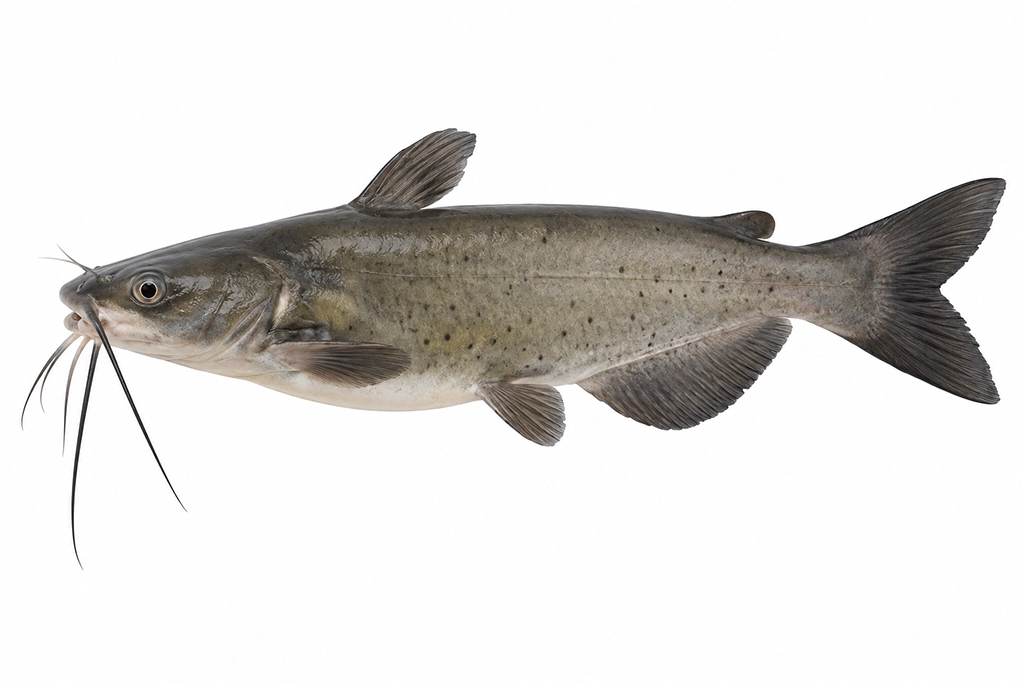
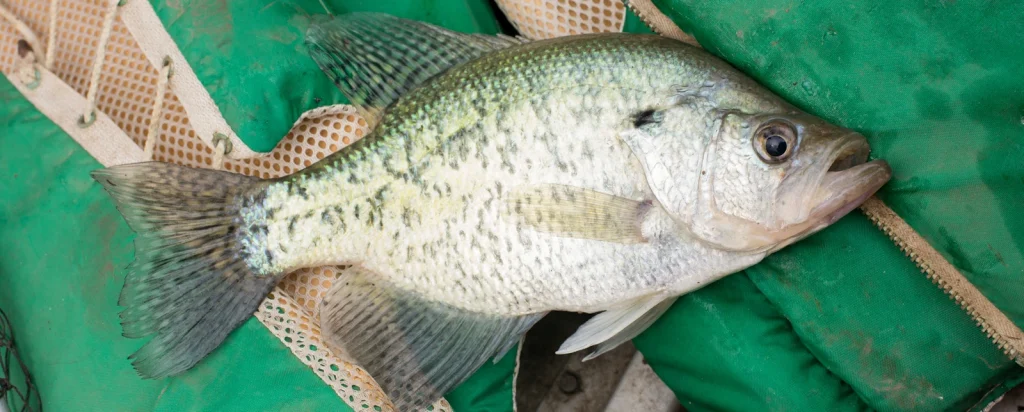
Young channel catfish usually have small black spots scattered across their sides, a feature that gives them one of their common nicknames, the spotted cat. Their body is blue-gray across the back with silvery sides fading into a white belly.
The tail is deeply forked, much like a blue catfish, but the anal fin has a rounded edge instead of the straighter profile found on a blue cat. Mature fish often lose many of their spots as they age, and spawning males develop a noticeably darker body along with a thickened pad on top of the head.
How Big Do They Get?
Channel catfish are smaller than blue catfish but still grow large enough to provide an impressive fight.
Most channel catfish caught on Kentucky Lake weigh between one and 10 pounds. Fish exceeding 15 pounds are considered exceptional, while larger specimens are occasionally caught in the reservoir.
Fast growth, strong populations, and a wide range of habitat continue to support excellent channel catfish fishing across Kentucky Lake.
Channel catfish can be caught across a wide range of habitats, respond to a variety of baits, and provide steady action during much of the year
Seasonal Fishing
Spring Fishing
As Kentucky Lake begins to warm, channel catfish become increasingly active.
Fish feed heavily before spawning and are commonly found along creek channels, rocky banks, and shallow flats during periods of stable weather. Late spring also brings spawning activity as males move into secluded cavities beneath logs, undercut banks, and root systems to prepare nesting sites.
Summer Patterns
Warm water creates excellent opportunities for channel catfish anglers.
Fish continue feeding throughout the summer and are especially active during the evening and overnight hours. Many hold around current, riprap, bridge pilings, and deeper holes during the day before moving into shallower areas after sunset to feed.
Fall Fishing
Autumn is one of the most productive seasons for channel catfish on Kentucky Lake.
Cooling temperatures increase feeding activity as fish take advantage of abundant forage before winter. Creek mouths, river ledges, and current breaks often produce consistent action well into the fall.
Winter Opportunities
Although channel catfish become less active during the coldest months, they continue feeding throughout the winter.
Deep river channels, protected holes, and slower-moving water provide stable conditions where fish can be caught with patient presentations and natural baits.
Catching Guide
Where to Find Channel Catfish on Kentucky Lake
Channel catfish are highly adaptable and can be found throughout the reservoir.
Common locations include:
- River channel edges
- Creek channels
- Riprap banks
- Boat docks
- Brush piles
- Rock piles
- Sand and gravel flats
- Shoreline drop-offs
Moving water often concentrates feeding fish, but channel catfish are equally comfortable in coves, backwaters, and other slower-moving areas where food is readily available.
What Do Channel Catfish Eat?
Channel catfish have one of the most varied diets of any fish in Kentucky Lake.
Aquatic insects, crayfish, freshwater mussels, snails, fish, and other small aquatic animals all become part of their diet as they grow. Despite their reputation, healthy channel catfish do not rely primarily on dead or decaying animals for food.
That flexible diet explains why they readily take so many different baits. Chicken liver, nightcrawlers, prepared stink baits, shrimp, cut bait, and cheese-based baits are all popular choices, while crankbaits, spoons, and jigs occasionally produce fish as well.
A Kentucky Lake Favorite
Channel catfish have earned their reputation by being dependable. They can be caught across a wide range of habitats, respond to a variety of baits, and provide steady action during much of the year.
For many Kentucky Lake anglers, channel catfish are simply a reliable fish to target when the goal is spending time on the water and bringing home an excellent meal.
Channel Catfish Frequently Asked Questions
Local Fishing Guides
You Might Also Like