Largemouth Bass
When people think about fishing on Kentucky Lake, largemouth bass are usually one of the first species that come to mind.
For decades, anglers have traveled from across the country to fish Kentucky Lake’s bays, creek channels, shallow cover, and offshore structure in search of largemouth bass. The species helped build Kentucky Lake’s reputation as a major bass fishing destination and remains one of the most popular game fish on the reservoir today.
Largemouth bass can be found throughout Kentucky Lake and are known for aggressive strikes, powerful fights, and their willingness to attack a wide variety of lures. They are also one of the most accessible sport fish on the lake. Anglers regularly catch them from bass boats, kayaks, docks, and even from shore.
Kentucky Large Mouth Bass Limits
Identification
How to Identify a Largemouth Bass
The largemouth bass is easy to recognize once you know what to look for.
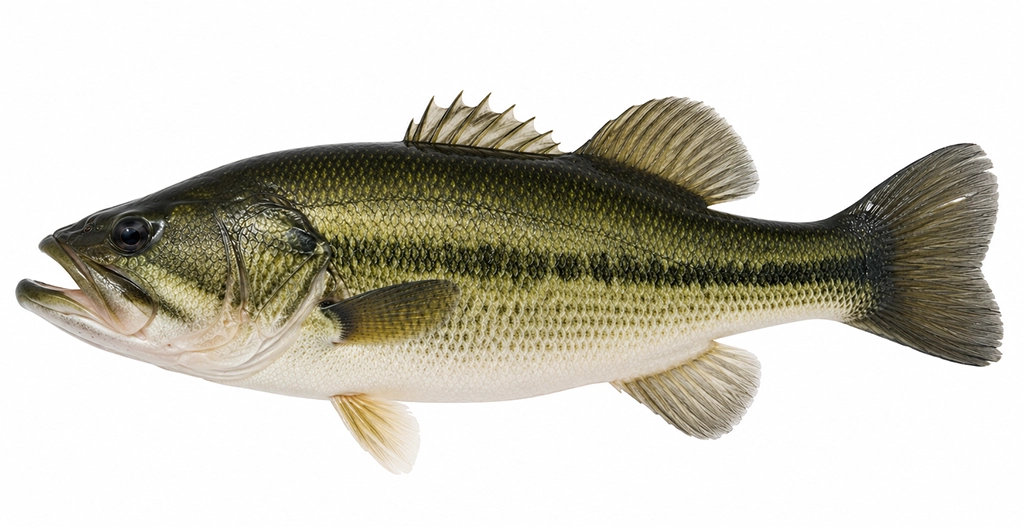
Its most distinctive feature is its oversized mouth. The upper jaw extends beyond the rear edge of the eye, giving the fish its name and helping distinguish it from smallmouth bass and Kentucky spotted bass.
Most largemouth bass are olive green to dark green across the back with lighter sides and a pale belly. A dark stripe usually runs along the side of the fish, often appearing as a series of connected blotches.
Their thick body and broad tail make them powerful swimmers and hard-fighting fish once hooked.
How Big Do They Get?
Kentucky Lake produces largemouth bass in a variety of sizes.
Many fish caught by recreational anglers fall into the 12- to 18-inch range and weigh between one and four pounds. Fish weighing five pounds or more are considered quality catches, while bass over seven pounds are the kind of fish that get photographed before being released.
Every year, anglers catch impressive largemouth bass across the Kentucky Lake region, though truly giant fish are much less common than they were during some of the lake’s historic peak years.
Even so, the possibility of catching a trophy bass keeps anglers returning season after season.
Where to Find Largemouth Bass on Kentucky Lake
One of the reasons largemouth bass thrive in Kentucky Lake is the abundance of habitat available throughout the reservoir.
Depending on the season, bass may be found around:
- Fallen trees and shoreline timber
- Boat docks
- Brush piles and stake beds
- Gravel points
- Creek channels
- Secondary points
- Main lake points
- Vegetation and shallow cover
- Offshore ledges
Location often changes throughout the year as bass follow forage, respond to water temperatures, and adjust to changing water levels.
Current generation from Kentucky Dam and Barkley Dam for Lake Barkley can also influence fish positioning, particularly during warmer months when many bass move offshore.
"Their year-round availability make them one of the most sought-after species on the lake"
Seasonal Fishing
Spring Bass Fishing
Spring is often considered the most popular time of year to fish for largemouth bass on Kentucky Lake.
As water temperatures begin to rise, bass move from deeper winter locations toward shallow spawning areas. Protected coves, pockets, and flats become increasingly important during this period.
Spawning activity generally peaks in April and early May, though timing can vary depending on weather conditions.
Many anglers enjoy spring because fish are often more predictable and can frequently be found in relatively shallow water.
Summer Patterns
When summer arrives, many largemouth bass shift toward deeper water.
Ledges, creek channels, submerged points, and offshore structure become key areas to target. Early mornings and evenings can still produce excellent shallow-water action, but much of the summer bass fishery revolves around deeper structure.
This is the time of year when Kentucky Lake’s famous ledge fishing often enters the conversation.
Fall Fishing
Fall brings cooler temperatures and increased feeding activity.
As baitfish move into bays and creek arms, largemouth bass often follow. Schools of actively feeding fish can provide some of the most exciting action of the year.
Anglers frequently use moving baits during the fall as bass aggressively feed ahead of winter.
Winter Opportunities
While winter receives less attention than spring or summer, largemouth bass remain catchable throughout the colder months.
Fish generally hold deeper and may feed less aggressively, but stable weather patterns can create surprisingly productive fishing conditions.
For anglers willing to bundle up, winter can offer less fishing pressure and plenty of room on the water.
Catching Guide
What Do Largemouth Bass Eat?
Largemouth bass are opportunistic predators and will feed on almost anything they can reasonably swallow.
On Kentucky Lake, common forage includes threadfin shad, gizzard shad, bluegill, crawfish, and other small fish.
Their feeding habits are one reason they are so popular among anglers. Bass are known for explosive strikes and will attack everything from topwater lures to deep-diving crankbaits.
Popular lure choices include:
- Soft plastic worms
- Jigs
- Spinnerbaits
- Chatterbaits
- Swimbaits
- Crankbaits
- Topwater lures
Successful lure selection often depends on season, water temperature, clarity, and forage activity.
A Kentucky Lake Favorite
Few fish have played a bigger role in Kentucky Lake’s fishing history than the largemouth bass.
From local club tournaments to major national events, largemouth bass continue to attract anglers from across the country. Their aggressive nature, impressive size potential, and year-round availability make them one of the most sought-after species on the lake.
For many visitors, catching a Kentucky Lake largemouth bass isn’t just part of the trip. It’s one of the reasons they came in the first place.
Learn With A Local Guide
Largemouth Bass Frequently Asked Questions
You Might Also Like