What would you like to search?
No search results found.
The Kentucky Lake region covers two lakes, two states, Land Between the Lakes, and dozens of communities, so it's natural to have questions before you arrive. The answers below cover some of the topics visitors ask most often, from boating and fishing regulations to hiking, swimming, seasonal events, and planning your first trip.

Most visits center on the water, but the region is larger than the lake itself. Boating, fishing, paddling, swimming and waterfront dining are the main warm-weather activities. Land Between the Lakes adds hiking, wildlife viewing, scenic drives, camping, mountain biking, horseback riding and historic attractions.
A good first visit usually includes time on Kentucky Lake, a drive through Land Between the Lakes and a stop in one or two nearby communities. The Elk & Bison Prairie, Woodlands Nature Station, Homeplace 1850s Working Farm, Kentucky Dam and Fort Donelson National Battlefield are among the region’s most established attractions. State parks, marinas and public recreation areas provide additional access to trails, beaches, boat ramps and shoreline views
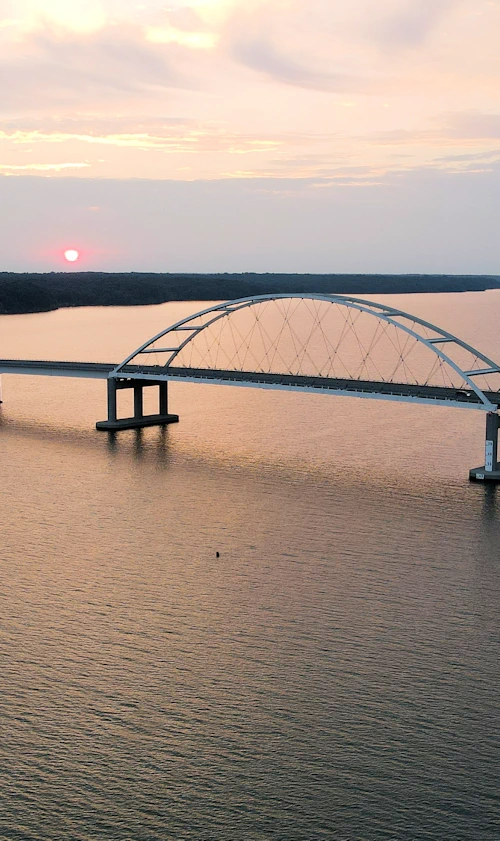
Yes. The lakes are connected near Grand Rivers by the Barkley Canal, a free-flowing navigation channel between the Tennessee and Cumberland river systems. Boaters can travel through the canal without passing through a lock.
The connection is near the northern end of both lakes, so the trip can be much longer for boats starting farther south. Kentucky Lake and Lake Barkley also have broad open-water areas, commercial traffic and changing conditions. Check the weather, fuel range and current lake levels before making the trip. Navigation charts or a reliable marine GPS are strongly recommended, especially outside marked channels.
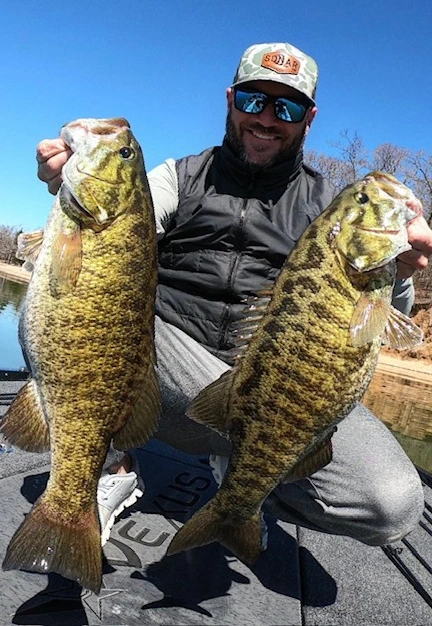
Crappie, largemouth bass, smallmouth bass, catfish, bluegill and yellow bass are among the principal sport fish found in the lakes. Anglers also catch white bass, redear, sauger and several other species.
The fishing changes with the season and the section of the lake. Crappie are commonly associated with spring fishing around cover and shallow structure. Bass fishing takes place throughout the year, while catfish are found in channels, flats and areas with current. Bluegill and redear fishing becomes especially active around spawning areas in late spring and early summer. Kentucky Lake has long been recognized as an important crappie fishery, while both lakes support a broad mix of warm-water species.
Most anglers need a valid fishing license issued by Kentucky or Tennessee. The correct license depends on your age, residency, the water being fished and the state where you are fishing.
Kentucky and Tennessee have a reciprocal agreement covering designated portions of Kentucky Lake. Under that agreement, residents of either state may use their home-state resident license in covered boundary waters. The agreement does not automatically cover tributaries, embayments or every part of the surrounding lake system. Lake Barkley and waters lying entirely within one state may have different requirements.
Because license rules, exemptions and reciprocal agreements can change, check the current Kentucky Department of Fish and Wildlife Resources or Tennessee Wildlife Resources Agency regulations before fishing. Anglers must also follow the creel and length limits that apply to the water they are fishing.
The right trail depends on the length and terrain you want. Hematite Trail is a manageable two-mile loop around Hematite Lake and works well for a shorter nature hike. The Central Hardwoods Scenic Trail provides a longer, smoother route, including a paved section along Lake Barkley.
More experienced hikers can use portions of the North–South Trail, which extends through much of Land Between the Lakes. The Fort Henry Trail System combines wooded ridges, stream valleys, old home sites and Civil War-era routes. Canal Loop is another major trail system near the northern end, although it is also heavily used by mountain bikers.
Conditions can change after storms or seasonal road closures, so review the current trail map before starting.
Fishing is only one part of the region. Visitors can rent a pontoon, paddle protected bays, swim at designated (or undesignated) beaches, hike in Land Between the Lakes, visit wildlife areas, tour historic sites and spend time in the communities surrounding the lakes.
Land Between the Lakes contains hundreds of miles of trails and a large stretch of undeveloped shoreline. Its developed attractions include the Elk & Bison Prairie, Woodlands Nature Station, Golden Pond Planetarium and Homeplace 1850s Working Farm. The region also includes golf courses, state parks, Civil War sites, local museums, seasonal theaters and community festivals.
A boat is useful, but it is not required. Many of the area’s major attractions, trails, overlooks, beaches and historic sites are reached by road
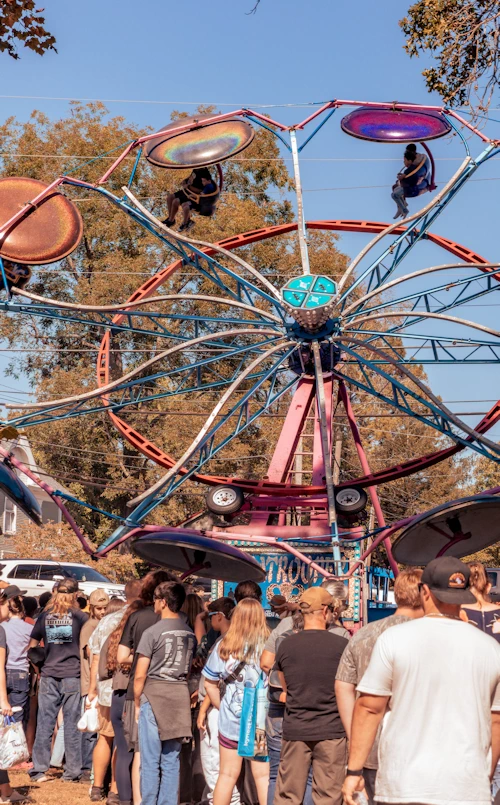
The event calendar follows the communities surrounding the lakes rather than one central festival grounds. Benton’s Tater Day is an early-spring tradition built around parades, competitions and community events. Paris hosts the World’s Biggest Fish Fry during the last full week of April, with catfish dinners, a carnival, parades and other activities.
Cadiz holds the Trigg County Country Ham Festival in the fall. Grand Rivers is known for its holiday Festival of Lights, which runs through much of the Christmas season. Murray, Calvert City, Eddyville, Dover, Camden and other communities also host concerts, markets, holiday events and local festivals during the year.
Land Between the Lakes maintains its own calendar of nature programs, farm demonstrations, planetarium shows and seasonal activities. Dates and schedules change each year, so visitors should check the current events calendar before planning a trip around a specific festival.
Absolutely. A large part of the region can be experienced from land. Public beaches, hiking trails, wildlife areas, historic sites, parks, scenic roads and waterfront restaurants do not require private boat ownership.
Boat rentals are available through a number of area marinas, including pontoons and other recreational boats. Guided fishing trips provide another way to spend time on the water without bringing equipment or learning the lake alone. Kayaks and paddleboards can also be used in quieter bays and protected areas when conditions are appropriate.
Travelers who plan to remain on land can still visit Kentucky Dam, drive through Land Between the Lakes, explore the Elk & Bison Prairie, tour Fort Donelson, attend local events and use shoreline recreation areas. The lakes shape the region, but they are not the only way to experience it.
Yes, but designated swimming areas are the better choice. Kentucky Dam Village State Resort Park operates a seasonal public sand beach on Kentucky Lake. Other state parks, campgrounds and recreation areas maintain beaches or swimming areas, and some resorts have pools reserved for registered guests.
The lakes are working reservoirs rather than controlled swimming pools. Water depth, current, boat traffic, submerged objects and shoreline conditions can change. Do not swim near boat ramps, docks, navigation channels or the dams, obviously. Children and inexperienced swimmers should wear properly fitted life jackets around the water.
The region covers a large area in two states. A lodging property described as being “near Kentucky Lake” may be many miles from another attraction on the same lake. Choose a base according to the part of the region you plan to use rather than assuming everything is close together.
Lake levels change during the year. Summer pool generally provides easier shoreline and dock access, while lower seasonal levels can expose shallow areas and affect some ramps or coves. Boaters should stay aware of marked channels, changing weather and commercial traffic. TVA publishes current lake levels and operating information.
Cell service can be limited in parts of Land Between the Lakes, so download maps before entering remote areas. Hours at attractions, campgrounds and seasonal businesses also change throughout the year. A little planning matters here – not because the region is difficult to visit, but because the lakes, communities and recreation areas are spread across a much larger landscape than many first-time visitors expect.