Flathead Catfish
Flathead catfish are unlike any other catfish found in Kentucky Lake. Instead of roaming open water in search of food, they spend much of their lives alone, tucked beneath submerged logs, tangled root systems, and heavy timber where they wait to ambush live prey.
That behavior sets them apart from both blue and channel catfish. Flatheads rarely scavenge and instead rely on patience, camouflage, and powerful bursts of speed to catch fish, crayfish, and other prey. Kentucky Lake’s river channels, flooded timber, and woody cover provide ideal habitat for these impressive predators.
Kentucky Flathead Catfish Limits
Identification
How to Identify a Flathead Catfish
A flathead catfish is easy to recognize once you know what to look for.
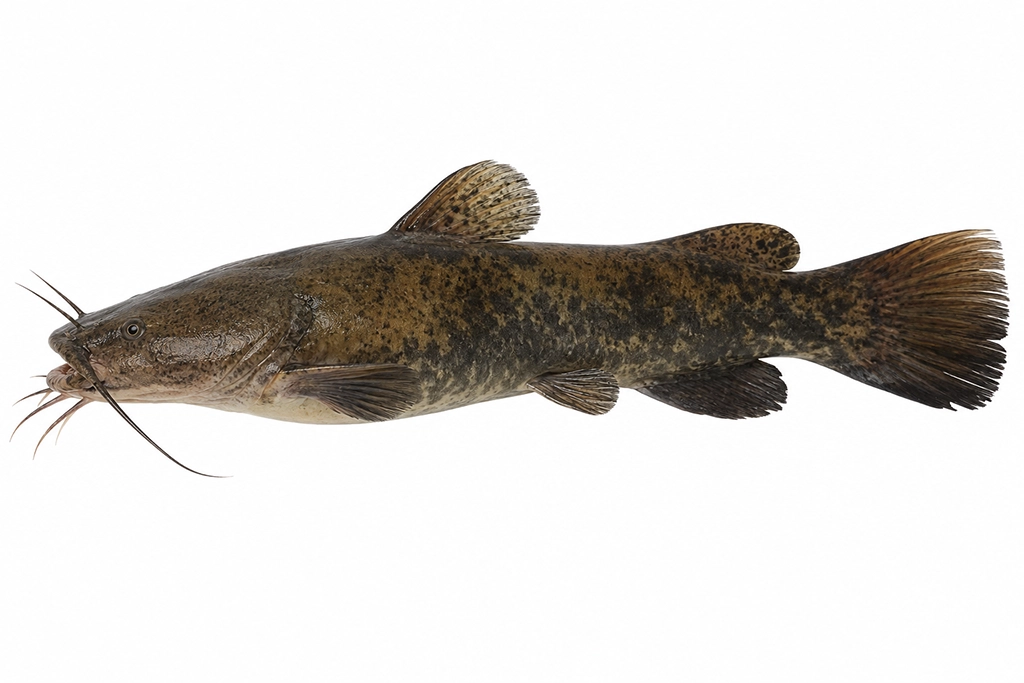
Its broad, flattened head gives the species its name and creates a profile unlike any other catfish in Kentucky Lake. The lower jaw extends beyond the upper jaw, and eight whisker-like barbels surround the mouth, helping the fish detect prey in dark or muddy water.
Body color varies from olive brown to yellowish-brown with a lighter underside, allowing flatheads to blend into submerged wood, rock, and river bottoms. Like other catfish, they have smooth, scaleless skin and strong fin spines that should be handled carefully.
How Big Do They Get?
Flathead catfish rank among the largest freshwater fish swimming in Kentucky Lake.
Many adults weigh between 15 and 40 pounds, while fish topping 50 pounds are considered true trophies. Given enough time and abundant forage, flatheads can grow much larger and live for several decades.
Unlike schooling species that reproduce in greater numbers, large flatheads are naturally less common. Every trophy fish represents years of steady growth in Kentucky Lake’s river system.
Understanding where flathead catfish live and how they hunt is often the key to finding them on Kentucky Lake.
Seasonal Fishing
Spring Movement
As water temperatures climb through the spring, flathead catfish become more active after the slower pace of winter.
Fish begin feeding more frequently before the spawning season arrives. Late spring also marks the start of nesting, with males selecting secluded cavities beneath logs, root systems, or other protected cover where eggs can develop safely.
Summer Fishing
Summer is when flathead catfish fully settle into their daily routine.
Daylight hours are often spent resting beneath heavy cover, while nighttime brings increased activity as they move into nearby shallows and channel edges to hunt. Their preference for live prey becomes especially noticeable during the warmer months when baitfish are abundant.
Fall Catches
Cooling water temperatures trigger another period of active feeding.
Flathead catfish continue hunting around timber, channel bends, and deep cover as they take advantage of plentiful forage before winter arrives. Fish remain closely tied to structure, but longer feeding periods often make them easier to locate than during the heat of summer.
Winter Opportunities
Cold water slows flathead catfish, but it doesn’t stop them completely.
Most spend the winter holding near deep timber, submerged cover, and river holes where water conditions remain stable. They feed less often than during warmer months, although larger fish still take advantage of opportunities when live prey is available.
Catching Guide
Where to Find Flathead Catfish on Kentucky Lake
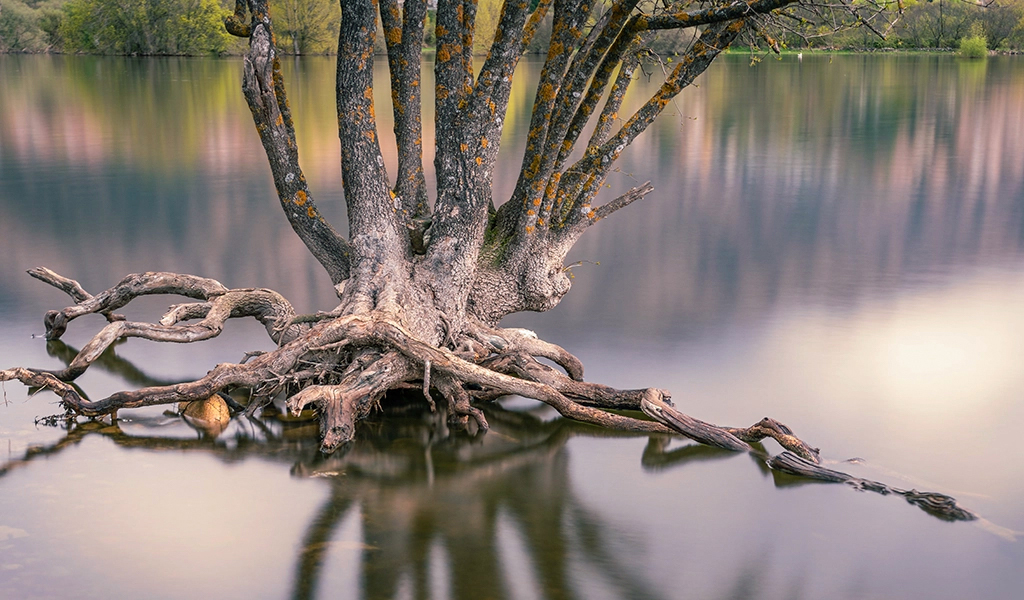
If there’s one thing flathead catfish demand, it’s cover.
Adult fish spend much of the day hidden beneath structure that offers protection and a place to ambush prey. Kentucky Lake provides plenty of that habitat, including:
- Log jams
- Fallen trees
- Root wads
- Standing timber
- Brush piles
- Undercut banks
- Deep river holes
- Creek channel bends
Most flatheads stay close to the same general area for long periods, leaving those hiding places primarily to feed after dark.
What Do Flathead Catfish Eat?
Flathead catfish become increasingly predatory as they grow.
Young fish begin by feeding on aquatic insects and crayfish before gradually shifting toward larger prey. Adult flatheads feed primarily on live fish, including bluegill, shad, small catfish, and other species commonly found throughout Kentucky Lake.
That preference explains why live bait consistently produces the best results. Shad, sunfish, and large minnows closely match the forage flatheads naturally hunt. Fresh cut bait will catch fish on occasion, but anglers specifically targeting large flatheads almost always choose live bait instead.
A Kentucky Lake Favorite
Flathead catfish spend much of their lives around heavy cover, making them a very different fish from blue and channel catfish. Understanding where they live and how they hunt is often the key to finding them on Kentucky Lake.
The reservoir’s flooded timber, river channels, and woody habitat continue to support healthy flathead populations, giving anglers the opportunity to catch one of Kentucky Lake’s largest native predators.
Learn From Local Guides
Flathead Catfish Frequently Asked Questions
You Might Also Like