Yellow Bass
Yellow bass (sometimes called perch) are a familiar sight across much of the northern United States, but they also have a place in Kentucky Lake’s diverse fishery. Although they don’t receive the same attention as largemouth bass, crappie, or catfish, yellow bass offer enjoyable fishing for anglers who appreciate light tackle and steady action.
These colorful panfish spend much of their time around clear water, sandy bottoms, and areas with moderate vegetation. They remain active throughout the year, making them one of the few species that continue feeding consistently even during the colder months.
Sometimes they can be frustrating, stealing the bait of anglers who are targeting crappie and other species. But yellows are fun fighters who can bring smiles to kid’s faces when the overabunance of fish end up on their hooks and in their nets.
Kentucky Yellow Bass Limits
Identification
How to Identify a Yellow Bass
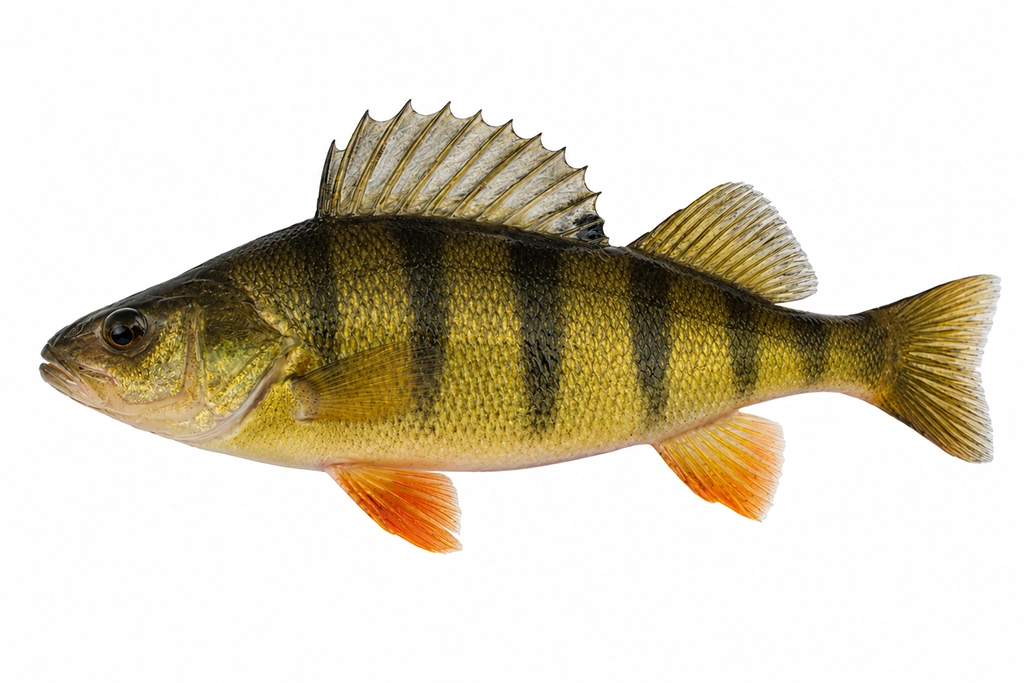
Few freshwater fish are as distinctive as the yellow bass.
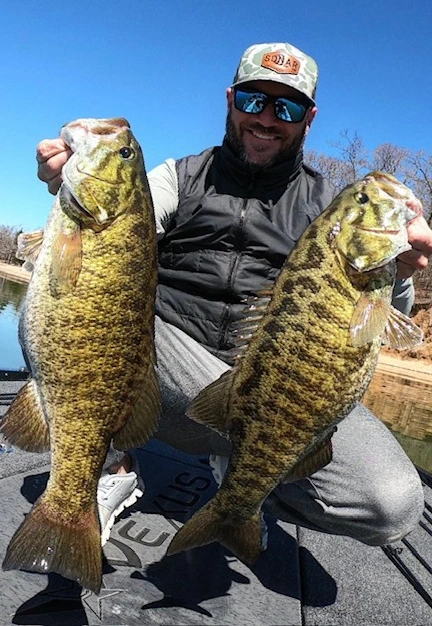
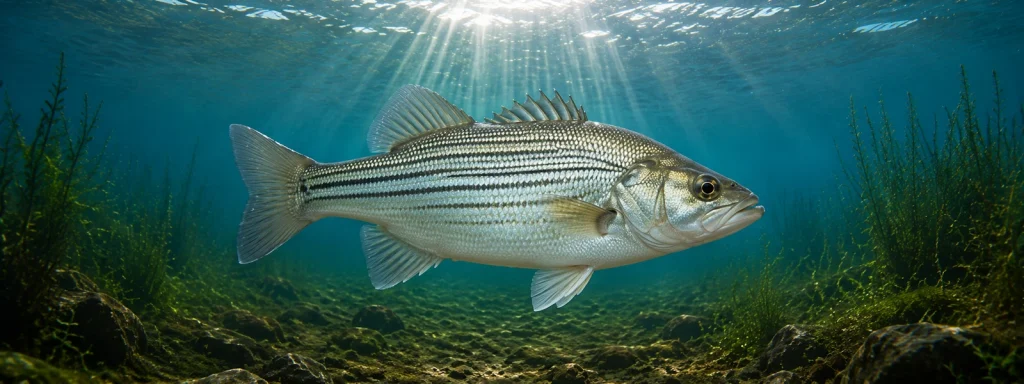
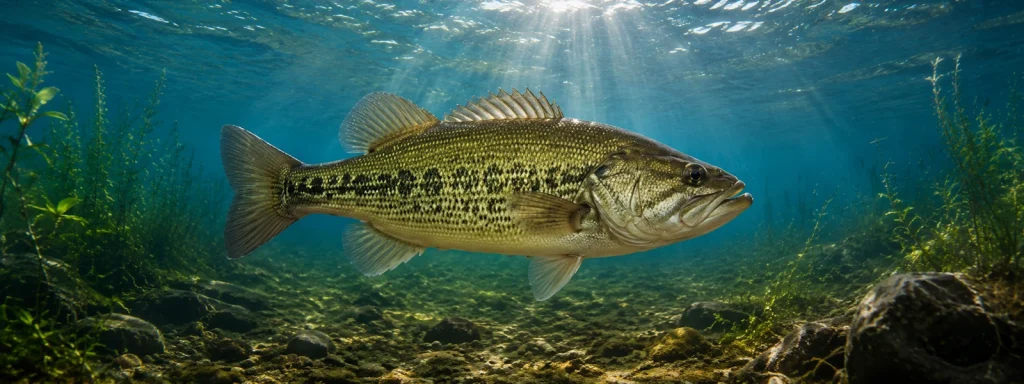
Their body is golden yellow to brassy green with six to eight dark vertical bars running from the back toward the belly. The lower portion of the fish is typically white to pale yellow, creating a sharp contrast with the darker markings above.
Yellow bass also have a spiny gill cover and a mouth filled with numerous small teeth designed for capturing insects, crustaceans, and small fish.
How Big Do They Get?
Yellow bass are considered a medium-sized panfish.
Most are caught in Kentucky Lake measure between 7 and 10 inches in length, while fish exceeding 10 inches are considered quality catches. Larger specimens are uncommon but provide an enjoyable fight on ultralight tackle.
Although they don’t reach the size of many game fish, yellows are well known for their dependable action and excellent eating qualities.
Yellow bass have earned a loyal following among anglers who enjoy simple, relaxed fishing.
Seasonal Fishing
Spring Fishing
As Kentucky Lake begins warming after winter, yellow bass become increasingly active in shallow water.
Fish move toward protected shorelines, gravel flats, and areas with firm bottoms where spawning takes place. Their predictable spring movements make them easier to locate before they gradually disperse into summer habitat.
Summer Patterns
Warm weather doesn’t slow yellows as much as some other species.
They commonly hold near deeper edges of vegetation, sandy drop-offs, and cooler water adjacent to feeding areas. During daylight hours, yellows continue searching for insects, crustaceans, and small baitfish along the bottom.
Fall Fishing
Autumn brings another period of reliable feeding.
Cooling water temperatures encourage yellow bass to remain active as they build energy reserves for winter. Gravel flats, creek mouths, and gently sloping shorelines can all produce steady fishing during the fall months.
Winter Opportunities
Yellows continue feeding throughout the winter, making them one of Kentucky Lake’s more dependable cold-weather species.
They often gather over deeper flats and firm-bottom areas where food remains available. Unlike many fish that become sluggish in cold water, yellow perch remain active and continue feeding during daylight hours.
Catching Guide
Where to Find Yellow Bass on Kentucky Lake
Water clarity plays an important role in locating yellow bass.
They are most often associated with:
- Sandy bottoms
- Gravel flats
- Moderate aquatic vegetation
- Protected coves
- Creek mouths
- Slow-moving backwaters
- Shoreline drop-offs
- Areas with firm bottom composition
Rather than roaming long distances, yellows often remain close to habitat that provides both cover and easy access to aquatic insects and small forage.
What Do Yellow Bass Eat?
The diet of yellows changes as they mature.
Young yellows begin by feeding on zooplankton and tiny aquatic insects before gradually adding worms, freshwater crustaceans, snails, insect larvae, and small fish to their diet.
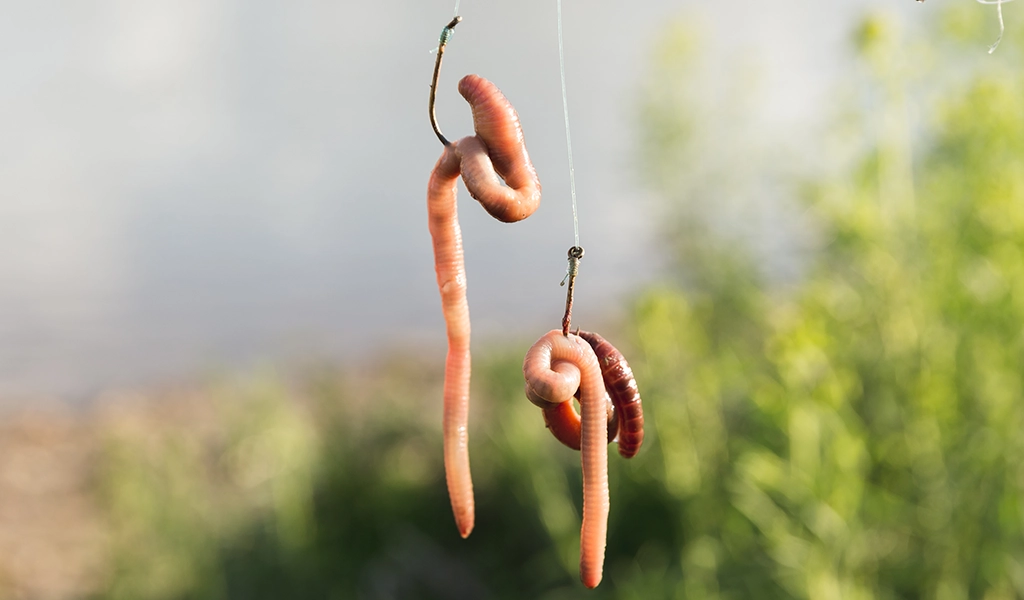
Because they spend much of their time feeding near the bottom, natural baits such as worms, crickets, and maggots remain popular choices. Small jigs, inline spinners, and other finesse presentations also produce consistent results when worked slowly near the lake bottom.
A Kentucky Lake Favorite
Yellow bass may not be the first species that comes to mind when people think about Kentucky Lake, but they have earned a loyal following among anglers who enjoy simple, relaxed fishing.
Their distinctive markings, year-round feeding habits, and willingness to bite light tackle make them an enjoyable species for anglers of all experience levels. For those looking to explore another side of Kentucky Lake’s fishery, yellow bass offer a rewarding change of pace.
Yellow Bass Frequently Asked Questions
Local Fishing Guides
You Might Also Like