White Bass
White bass are one of Kentucky Lake’s most popular schooling fish. Known for fast action and aggressive feeding, they can provide outstanding fishing when large schools begin chasing baitfish.
For decades, anglers have targeted white bass during their spring spawning runs and during the warmer months when feeding schools gather around points, ledges, creek channels, and open water. Their willingness to strike a variety of lures and live bait makes them an accessible species for anglers of all experience levels.
White bass are well established in the Kentucky Lake and Lake Barkley region, with particularly productive fishing in the tailwaters below Kentucky Dam and Barkley Dam during the spring. During summer, anglers can also find schools of white bass following concentrations of shad in the reservoirs.
Kentucky White Bass Limits
Identification
How to Identify a White Bass
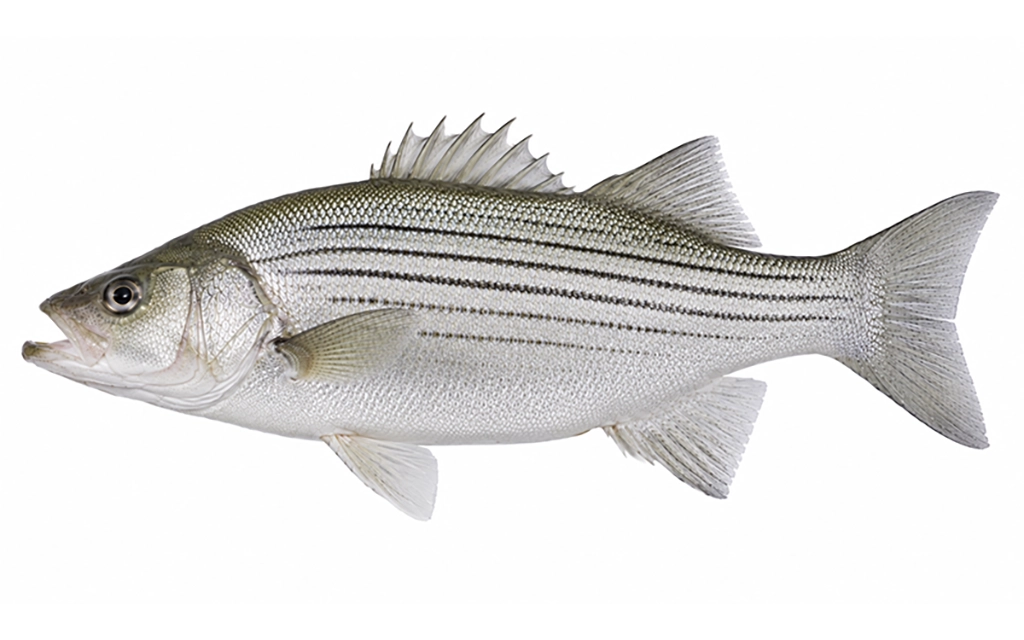
The white bass is easy to recognize by its bright silver body and dark horizontal stripes.
Most fish have five to eight narrow stripes running along each side, although the lower stripes are often broken or faded. Their body is deep and stocky with a noticeable arch behind the head, giving them a taller appearance than many other fish found in Kentucky Lake.
White bass are also recognized by their two dorsal fins, which sit close together, and their smaller head compared to other striped bass species.
How Big Do They Get?
Kentucky Lake produces white bass in a variety of sizes.
Most fish caught by anglers weigh between three-quarters of a pound and two pounds. Fish exceeding two pounds are considered excellent catches, although larger white bass are occasionally caught throughout the reservoir.
While they rarely reach the size of striped bass, white bass make up for it with their aggressive feeding behavior and strong fight.
Few fish provide the fast-paced action that white bass are known for on Kentucky Lake.
Seasonal Fishing
Spring Fishing
Spring is widely considered the best time of year to fish for white bass on Kentucky Lake.
As water temperatures begin to rise, large schools migrate into tributaries and moving water to spawn. Gravel bottoms, rocky areas, and current become important during this period.
The annual spawning run offers some of the year’s best opportunities to catch large numbers of white bass.
Summer Patterns
When summer arrives, white bass return to the main lake and spend much of their time following schools of shad.
Open-water flats, river channels, and offshore structure become productive areas. Early morning and late evening often provide the best fishing as schools push baitfish toward the surface.
Surface feeding activity can develop quickly and disappear just as fast, making it important to keep an eye out for diving birds and breaking fish.
Fall Fishing
Fall brings cooler water temperatures and another period of active feeding.
As baitfish move throughout Kentucky Lake, white bass stay close behind. Schools may be found feeding near points, creek mouths, and open-water areas as they prepare for winter.
This can be one of the most consistent times of year to locate actively feeding fish.
Winter Opportunities
White bass remain active throughout the winter, although they typically hold in deeper water.
River channels, creek channels, and deeper flats often attract schools during the colder months. Fishing tends to improve during stable weather patterns when baitfish become more concentrated.
Anglers who locate winter schools can enjoy productive fishing even during the coldest part of the year.
Catching Guide
Where to Find White Bass on Kentucky Lake
One of the reasons white bass thrive in Kentucky Lake is the abundance of open water and forage available throughout the reservoir.
Depending on the season, white bass may be found around:
- Main lake points
- Creek mouths
- Open-water flats
- River channels
- Offshore humps
- Sandbars
- Windblown banks
- Schools of shad
Location often changes throughout the year as white bass follow baitfish and respond to changing water temperatures.
Because they travel in large schools, locating one active group of fish can often lead to fast-paced action.
What Do White Bass Eat?
White bass are aggressive predators that feed primarily on baitfish.
Threadfin shad, gizzard shad, minnows, aquatic insects, and small crustaceans all make up part of their diet, although shad become the primary food source as fish mature.
Their feeding habits make them willing to strike a variety of artificial lures and live bait. Popular choices include inline spinners, small crankbaits, swimbaits, jigging spoons, curly-tail grubs, and live minnows.
Successful lure selection often depends on season, water temperature, and the location of feeding schools.
A Kentucky Lake Favorite
Few fish provide the fast-paced action that white bass are known for on Kentucky Lake.
Their schooling behavior, aggressive feeding habits, and willingness to strike a wide variety of lures make them one of the most enjoyable species to target. When schools begin chasing shad across the lake, anglers often experience steady action and the chance to catch multiple fish in a short amount of time.
When white bass are schooling and feeding aggressively, they can provide some of the fastest-paced fishing action on Kentucky Lake.
Learn With Local Guides
White Bass Frequently Asked Questions
You Might Also Like