Smallmouth Bass
When anglers think about fishing Kentucky Lake or Lake Barkley, largemouth bass often receive most of the attention. Smallmouth bass, however, have earned a loyal following of their own and are considered one of the hardest-fighting game fish in the reservoir.
For years, anglers have targeted Kentucky Lake’s rocky points, bluff walls, riprap, and offshore structure in search of smallmouth bass. Although they aren’t as abundant as largemouth, they remain an important part of Kentucky Lake’s diverse bass fishery.
Smallmouth bass are found throughout portions of Kentucky Lake and are known for powerful runs, acrobatic jumps, and aggressive strikes. Many anglers consider catching a quality smallmouth to be one of the highlights of a day on the water.
Kentucky Smallmouth Bass Limits
Identification
How to Identify a Smallmouth Bass
The smallmouth bass is easy to identify once you know what separates it from other bass species.
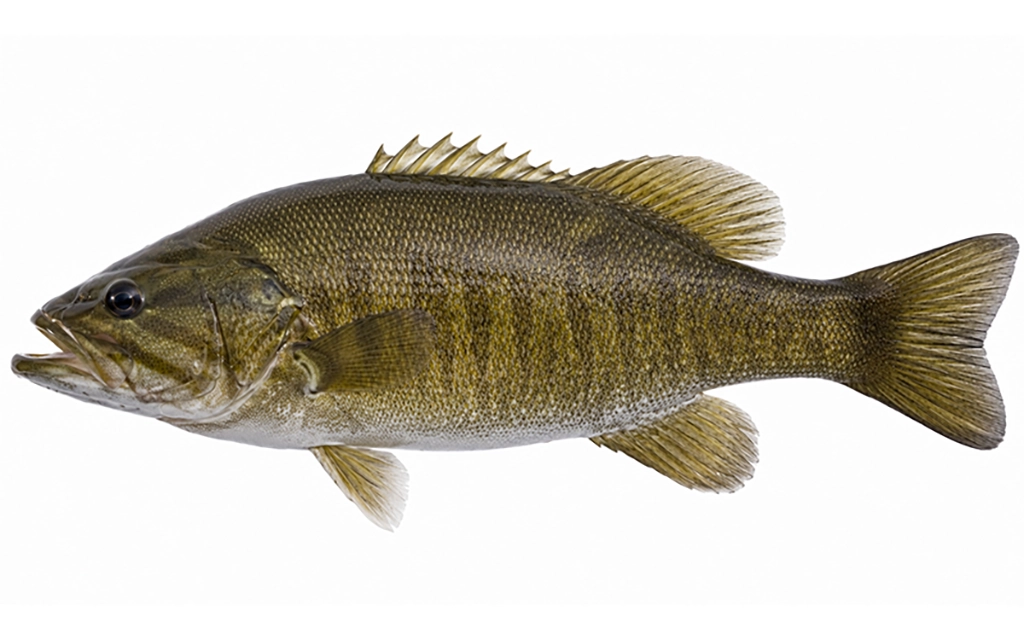
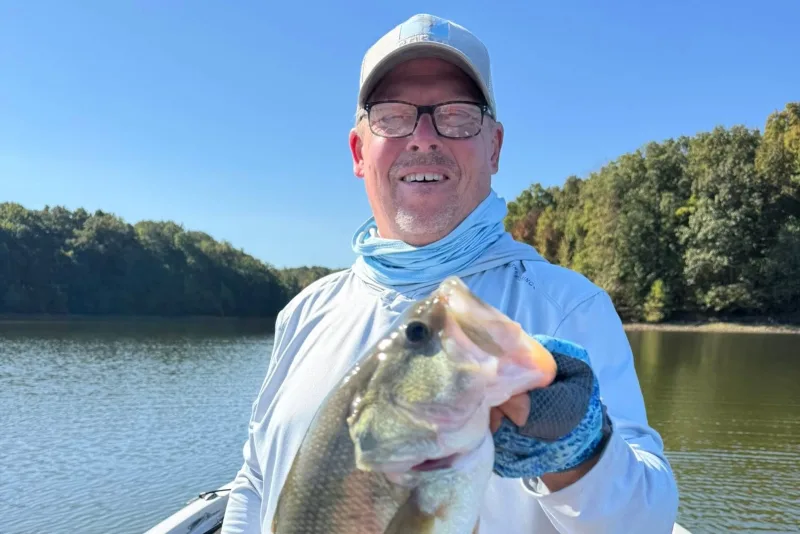
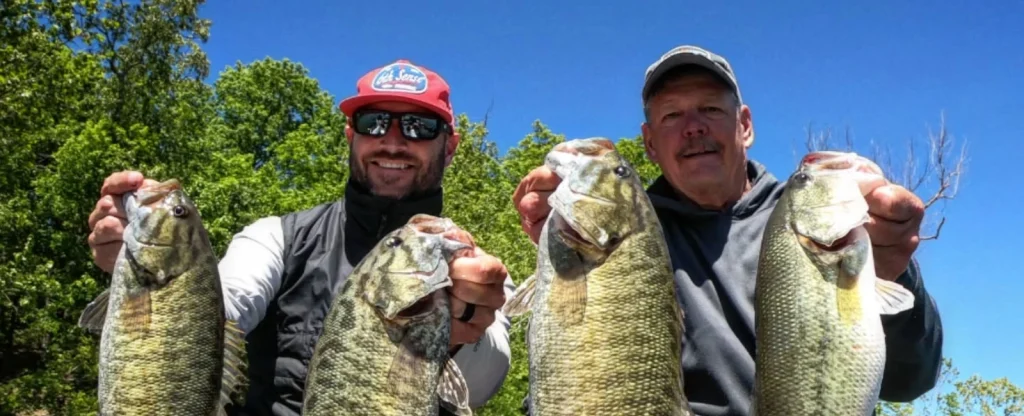
Its most recognizable feature is its mouth, which extends only to about the middle of the eye. The body is typically bronze, olive brown, or golden with darker vertical bars along the sides instead of a bold horizontal stripe.
Many adult smallmouth develop reddish eyes, especially as they mature. Their streamlined body and broad tail make them exceptionally strong swimmers and contribute to the powerful fight they are known for.
How Big Do They Get?
Kentucky Lake produces smallmouth bass in a variety of sizes.
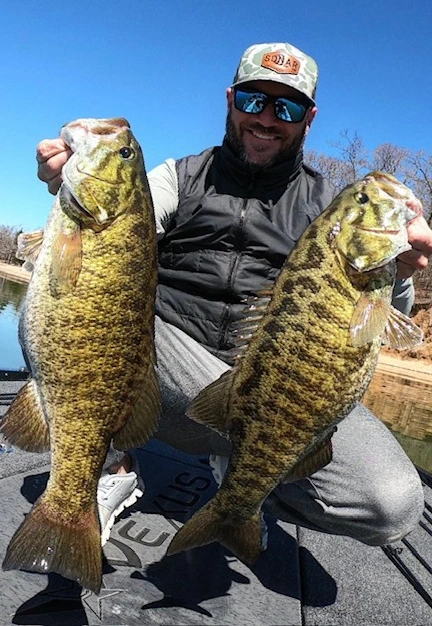
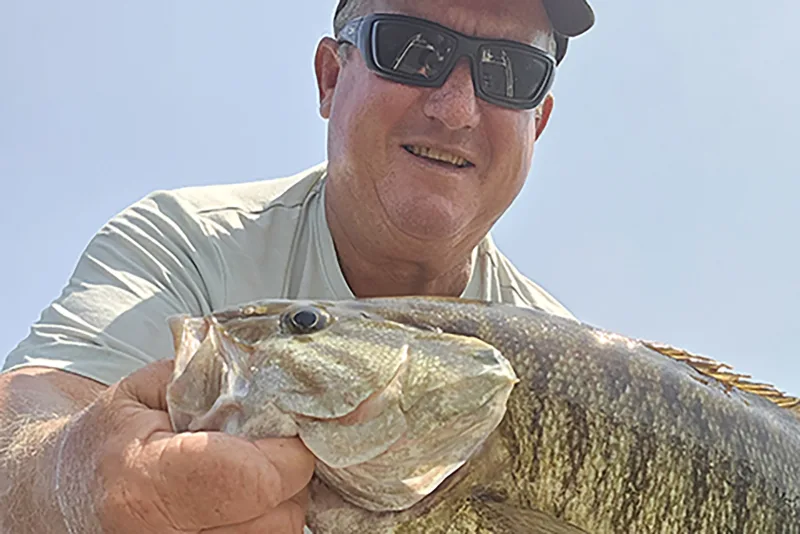
Many fish caught by anglers measure between 12 and 18 inches and weigh between one and three pounds. Fish weighing four pounds are excellent catches, while smallmouth exceeding five pounds are considered trophies.
Quality smallmouth are caught throughout the year, particularly by anglers who spend time targeting rocky habitat and deeper water.
Location often changes throughout the year as smallmouth respond to water temperatures
Seasonal Fishing
Spring Fishing
Spring is one of the most popular times of year to fish for smallmouth bass on Kentucky Lake.
As water temperatures begin to rise, smallmouth move from deeper winter habitat toward shallow gravel banks, rocky points, and spawning areas. Protected shorelines with firm bottoms become increasingly important during this period.
Spawning activity generally peaks in April and early May, though timing can vary depending on weather conditions.
Many anglers enjoy spring because fish are often more active and can frequently be found in relatively shallow water.
Summer Patterns
When summer arrives, many smallmouth bass move toward deeper water.
Rocky points, offshore humps, ledges, and deep structure become key areas to target. Early mornings and evenings can still provide opportunities along shallower rock, but much of the summer fishery centers around deeper structure and current.
Stable water temperatures and moving water often play an important role in locating active fish.
Fall Fishing
Fall brings cooler temperatures and increased feeding activity.
As schools of baitfish move throughout the reservoir, smallmouth bass often follow. Fish may become more aggressive during this period as they feed ahead of winter.
Moving baits that imitate baitfish can be especially effective during the fall months.
Winter Opportunities
While winter receives less attention than spring or fall, smallmouth bass remain active throughout the colder months.
Fish generally hold near deeper rock structure and channel edges, where water temperatures remain more stable. Slower presentations often produce the best results during this time of year.
For anglers willing to fish through the colder months, winter can offer excellent opportunities with less fishing pressure.
Catching Guide
Where to Find Smallmouth Bass on Kentucky Lake
One of the reasons smallmouth bass thrive in Kentucky Lake is the abundance of rocky habitat throughout portions of the reservoir.
Depending on the season, smallmouth may be found around:
- Main lake rocky points
- Bluff walls
- Riprap banks
- Gravel shorelines
- Offshore humps
- Deep rock piles
- Ledges with rock structure
- Channel swings with hard bottoms
Location often changes throughout the year as smallmouth follow baitfish, respond to water temperatures, and move between shallow and deeper structure.
Water discharge from the dams can also influence fish positioning, particularly during warmer months when many smallmouth relate to current around rocky structure.
What Do Smallmouth Bass Eat?
Smallmouth bass are opportunistic predators that feed on a variety of forage found throughout Kentucky Lake.
Common food sources include crawfish, threadfin shad, minnows, small bluegill, and aquatic insects.
Their feeding habits explain why crawfish and baitfish imitations consistently produce fish. Smallmouth readily strike tube jigs, football jigs, finesse worms, Ned rigs, suspending jerkbaits, small crankbaits, and other lures that closely resemble their natural forage.
Successful lure selection often depends on season, water temperature, clarity, and forage activity.
A Kentucky Lake Favorite
Smallmouth bass have become one of Kentucky Lake’s most respected game fish.
While they may not be caught as often as largemouth bass, their powerful fight, aggressive nature, and willingness to strike artificial lures have earned them a dedicated following among anglers. For many visitors, landing a Kentucky Lake smallmouth bass is a memorable part of any fishing trip.
Learn With A Local Guide
Smallmouth Bass Frequently Asked Questions
You Might Also Like