Bluegill
For many people, a bluegill is the fish that starts a lifelong love of fishing. They are abundant, easy to catch, and found throughout Kentucky Lake, making them one of the most accessible species in the reservoir for anglers of all ages.
Bluegill may not grow as large as some of Kentucky Lake’s better-known game fish, but they make up for it with steady action and excellent table fare. From quiet farm ponds to expansive reservoirs like Kentucky Lake, they continue to be one of the region’s most popular panfish.
Kentucky Lake Limits
Identification
How to Identify a Bluegill
Bluegill are easy to recognize once you know what to look for.
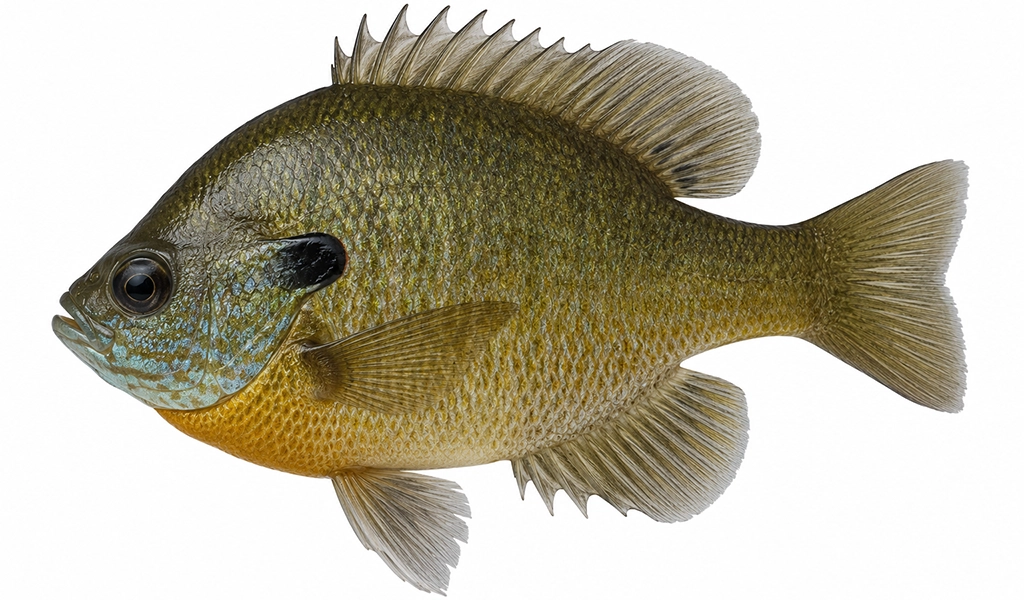
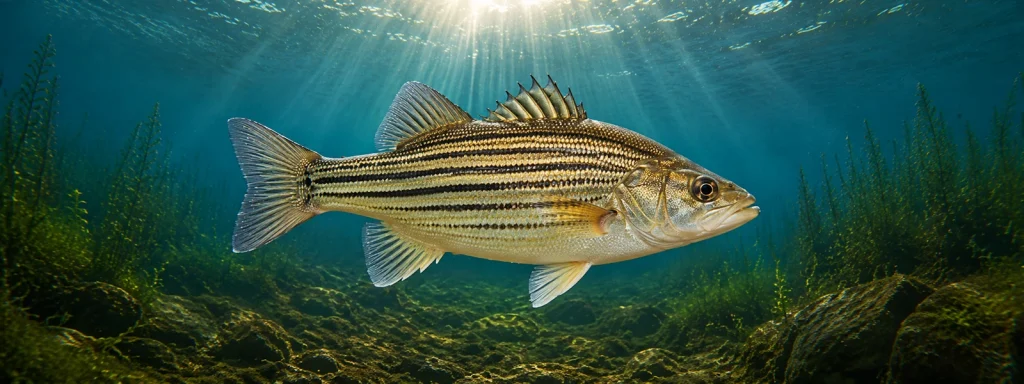
They have a deep, rounded body with a small mouth and a solid black flap covering the gill. Most fish display six to eight faint vertical bars along their sides, along with a dark spot near the rear of the dorsal fin.
During the spawning season, breeding males often develop brilliant blue and orange coloring, making them one of the most colorful freshwater fish found in Kentucky Lake.
How Big Do They Get?
Bluegill are smaller than many of Kentucky Lake’s other sport fish, but larger specimens are always a welcome catch.
Most bluegill measure between 6 and 9 inches in length, although fish exceeding 9 inches are considered outstanding. Under the right conditions, bluegill can grow well beyond one pound, though fish of that size are uncommon.
Because they grow quickly and are abundant throughout the reservoir, bluegill provide consistent fishing opportunities for anglers throughout the year.
For many people, a bluegill is the fish that starts a lifelong love of fishing
Seasonal Fishing
Spring Fishing
Few sights are more recognizable than bluegill bedding colonies during late spring.
As water temperatures approach the upper 70s, bluegill gather in large groups and build circular nests across sand, gravel, or firm-bottom areas in shallow water. These spawning beds often appear as clusters of light-colored circles just beneath the surface.
Spring consistently provides some of the year’s most productive bluegill fishing as large numbers of fish move into easily accessible shoreline habitat.
Summer Patterns
Bluegill remain active throughout the summer but often change locations as water temperatures rise.
Early and late in the day, they commonly feed in shallow water around vegetation, docks, and fallen timber. During the middle of the day, many fish move into deeper water or seek shade beneath overhanging trees and boat docks.
This daily movement allows bluegill to stay close to food while avoiding the warmest water.
Fall Fishing
As temperatures begin to cool, bluegill become more active in shallow and mid-depth areas.
Fish continue feeding on insects and small forage while preparing for winter. Brush piles, shoreline cover, and protected coves often hold good numbers of fish throughout the fall months.
Winter Opportunities
Bluegill can be caught throughout the winter, although they generally become less active than during warmer seasons.
Schools often gather around deeper brush, creek channels, and submerged cover where water conditions remain more stable. Slower presentations with small live bait or finesse lures typically produce the best results.
Catching Guide
Where to Find Bluegill on Kentucky Lake
Bluegill spend much of their lives in warm, protected areas where food and cover are readily available.
Common places to find them include:
- Boat docks
- Fallen trees
- Brush piles
- Shoreline vegetation
- Stump fields
- Shallow coves
- Gravel banks
- Areas with overhanging trees
As water temperatures change throughout the year, bluegill adjust their depth, often moving deeper during the hottest part of summer before returning to shallow cover during periods of active feeding.
What Do Bluegill Eat?
Bluegill feed on a wide variety of small aquatic organisms throughout Kentucky Lake.
Aquatic insects make up much of their diet, but they also consume freshwater shrimp, tiny crustaceans, snails, fish eggs, small minnows, and other available forage. Their small mouths naturally limit the size of prey they can eat.
Because of those feeding habits, bluegill readily bite crickets, worms, mealworms, small jigs, popping bugs, and tiny spinners. Matching lure size to the fish’s natural food is usually more important than lure color.
A Kentucky Lake Favorite
Bluegill have introduced countless anglers to fishing on Kentucky Lake.
Their abundance, dependable bite, and family-friendly nature make them one of the best species for anglers of all skill levels. Add in their outstanding table fare, and it’s easy to understand why bluegill continue to be one of Kentucky Lake’s most cherished panfish year after year.
Fishing Guide Services
Bluegill Frequently Asked Questions
You Might Also Like