What First-Time Visitors Should Know About LBL
Land Between the Lakes is easy to recognize on a map. Kentucky Lake is on one side, Lake Barkley is on the other with The Trace running through the middle.
What the map does not always show is how much ground there is to cover once you turn onto the smaller roads. Attractions, campgrounds, trails, historic sites and lake-access areas are spread throughout roughly 170,000 acres. You can spend an entire day in one part of LBL and never get close to the other end.
A first visit does not need a complicated itinerary. It helps to understand the layout, check a few details before leaving and decide what kind of day you want to have.
Navigating LBL
LBL Is Bigger Than It Looks
Land Between the Lakes stretches from Grand Rivers, Kentucky, to Dover, Tennessee. Driving The Trace from one end to the other is only part of the trip. Many trails, campgrounds, boat ramps and shoreline areas sit several miles down side roads.
That is where first-time visitors often lose more time than expected. A place that looks close on the map may still involve a longer drive once you leave The Trace. It is usually easier to choose one general area and spend the day there.
The Trace Is the Main Road
The Trace is the main north-south road through LBL. It passes through Golden Pond and connects the northern entrance near Grand Rivers with the southern entrance near Dover.
Many of LBL’s major attractions are located on or near The Trace, including the Golden Pond Visitor Center and Planetarium, the Elk & Bison Prairie and The Homeplace. Other places require another turn onto smaller paved or gravel roads, so The Trace will often get you close without taking you all the way there.
Pick the Right Part of LBL
The northern end is convenient for visitors staying around Grand Rivers, Kentucky Dam or northern Lake Barkley. This part of LBL includes Hillman Ferry Campground, Canal Loop, Moss Creek and several lake-access areas. The Woodlands Nature Station, Hematite Lake and Honker Lake are also in the northern half.
Central LBL is built around Golden Pond. The Visitor Center and Planetarium are here, and the entrance to the Elk & Bison Prairie is just north of the visitor center. This is an easy area to explore when your group wants a mix of attractions and a short walk or scenic drive.
Southern LBL is closer to Dover and includes The Homeplace, Great Western Iron Furnace, Fort Henry and several Tennessee campgrounds and trails. Visitors staying near Paris Landing or Dover may find this end much easier to explore than driving north toward Grand Rivers.
Attractions In LBL
Know Before You Go
Cell Service Can Be Spotty
Phone service is not dependable everywhere inside LBL, especially once you leave The Trace. A route that loads near the entrance may disappear several miles later.
Save directions before entering or carry a map in the vehicle. LBL’s numbered roads and directional signs are helpful, but they make more sense when you already know the name of the trail, campground or attraction you are trying to reach.
Plan Ahead for Food and Fuel
There are seasonal camp stores and limited concessions in a few locations, but LBL places the emphasis on nature, not convenience stores. Fill the tank before entering and bring water, snacks and anything else your group may need for the day.
Grand Rivers is convenient to the northern entrance, while Dover serves the southern end. Once you are deep inside LBL, turning around for something you forgot could take a while.
Hours and Fees Vary
LBL’s major attractions do not all follow the same schedule. The Nature Station and The Homeplace operate seasonally. The Planetarium and Elk & Bison Prairie are open throughout the year, while Turkey Bay OHV Area may close after heavy rain or storm damage. Admission also varies by attraction.
Check the individual attraction before leaving, especially when a program, demonstration or planetarium show is the main reason for the trip. A few minutes of planning can keep you from arriving after the final program or on a day when a seasonal attraction is closed.
Fishing Rules Depend on the Water
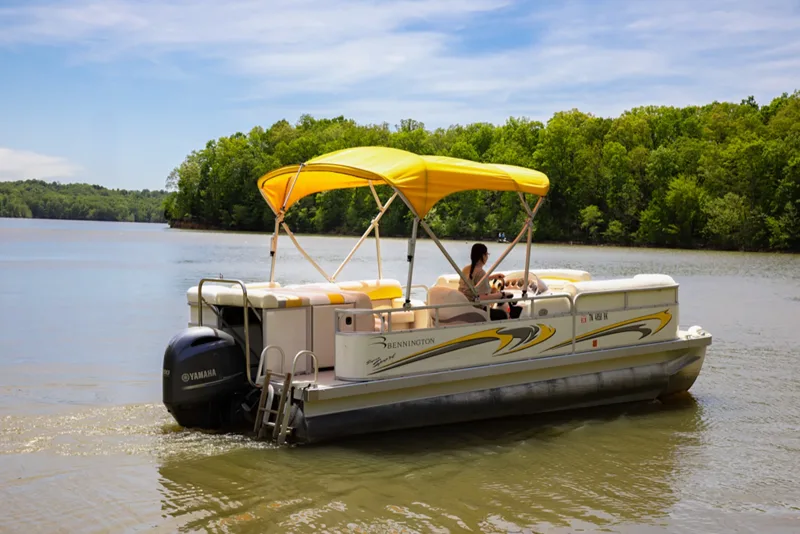
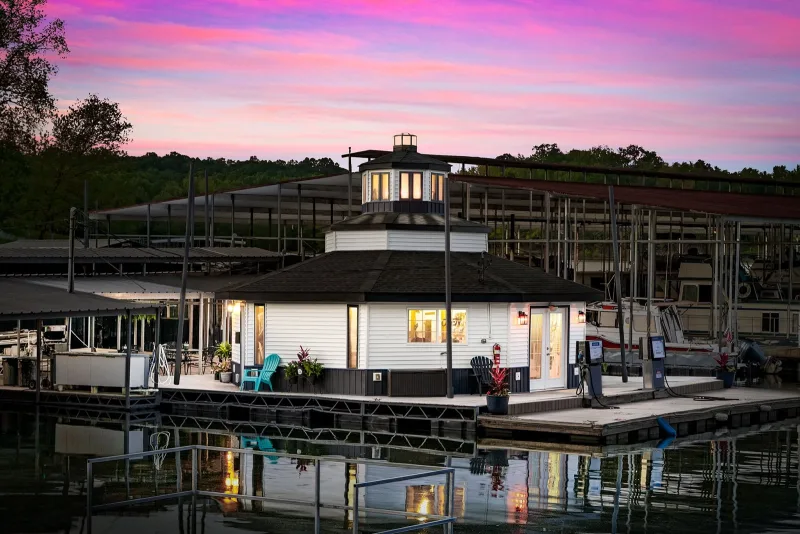
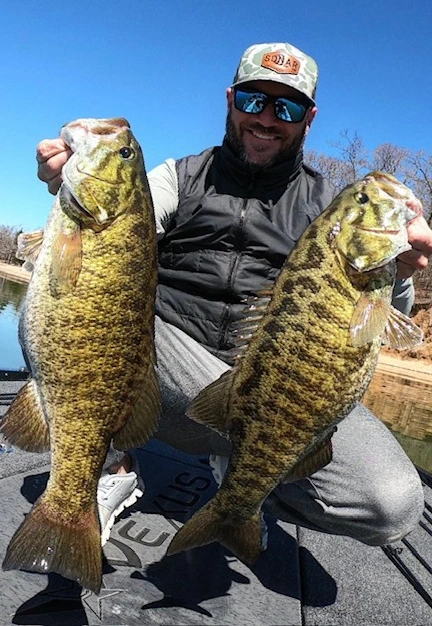
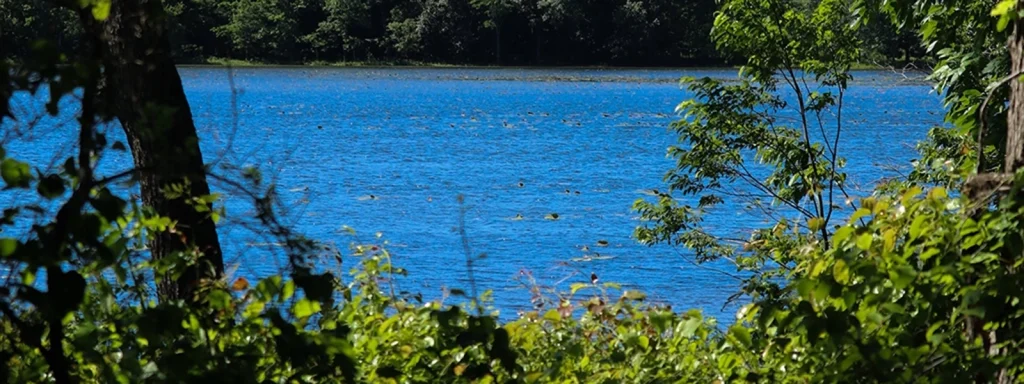
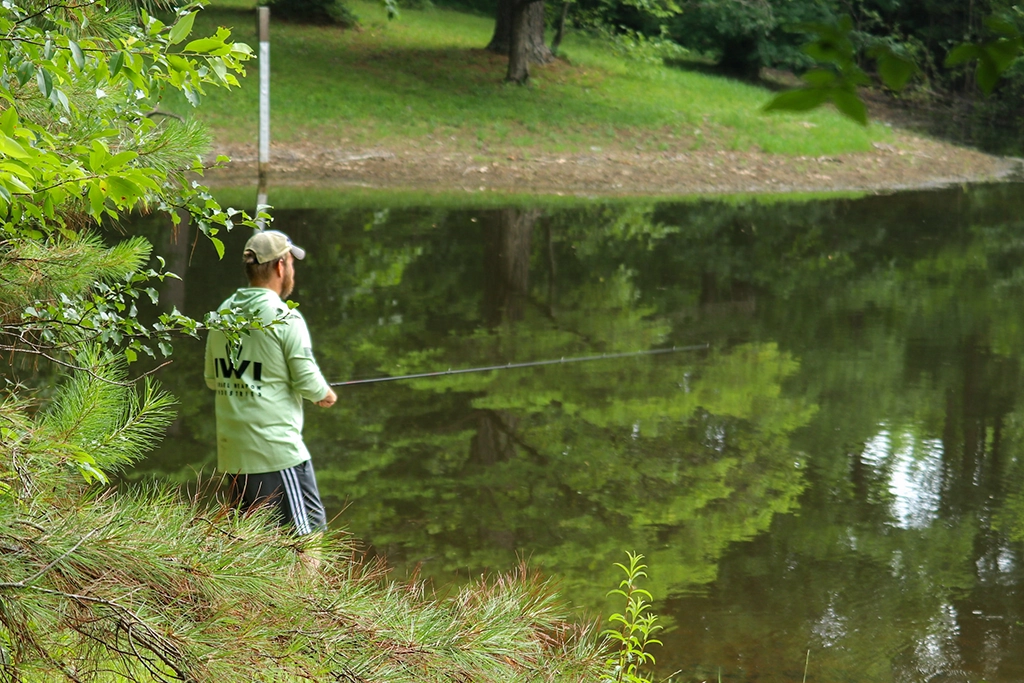
LBL has more than 20 lake-access areas with free launch ramps, along with interior lakes and ponds. Some access areas also have courtesy docks or restrooms.
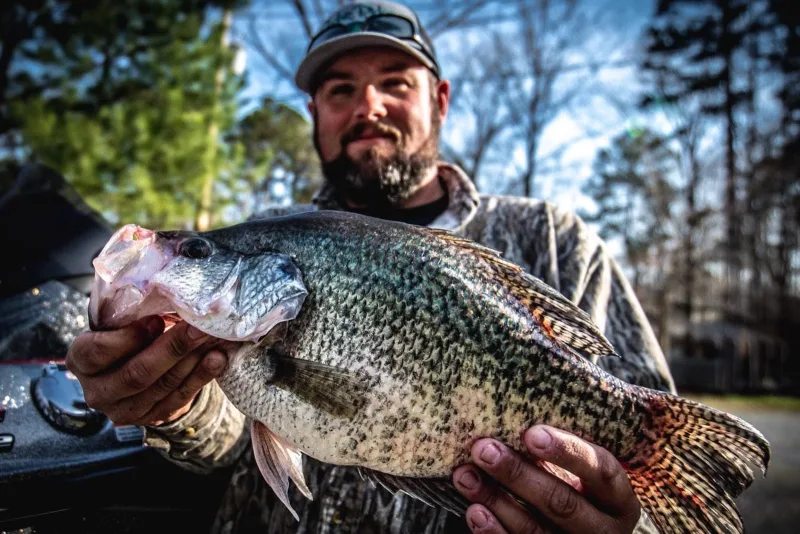
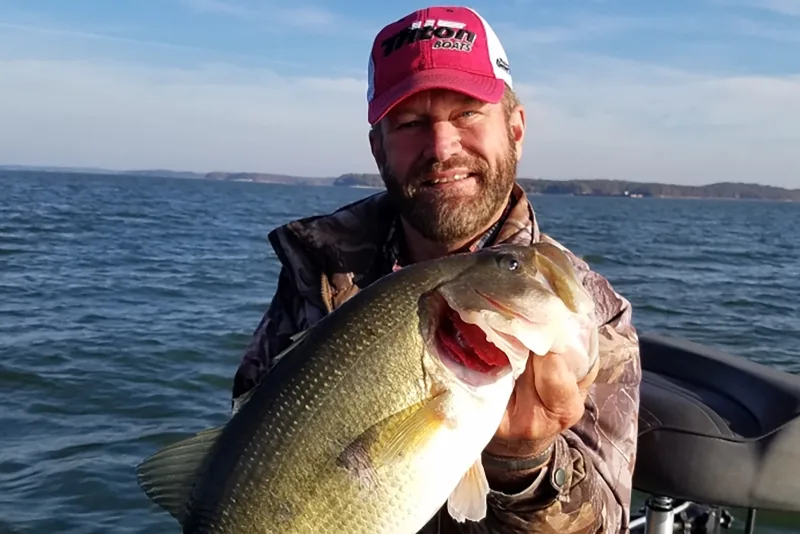
Fishing-license requirements depend on where you are fishing. Kentucky and Tennessee have a reciprocal agreement on part of Kentucky Lake between Eggners Ferry Bridge and Paris Landing Bridge, but that agreement does not automatically apply to every pond, lake or shoreline inside LBL. Check the rules for the exact water you plan to fish.
Hunting Seasons Are Part of LBL
Hunting is an active part of wildlife management in LBL. Deer, turkey and small-game seasons take place during different parts of the year, and hunters need an LBL Hunter Use Permit along with the appropriate state licenses.
Visitors can still hike, camp and explore during hunting seasons. It is simply a good idea to know what is in season and to wear something visible when using remote trails or backcountry areas.
Make It Your Trip
Trails Range From Short Walks to Full-Day Routes
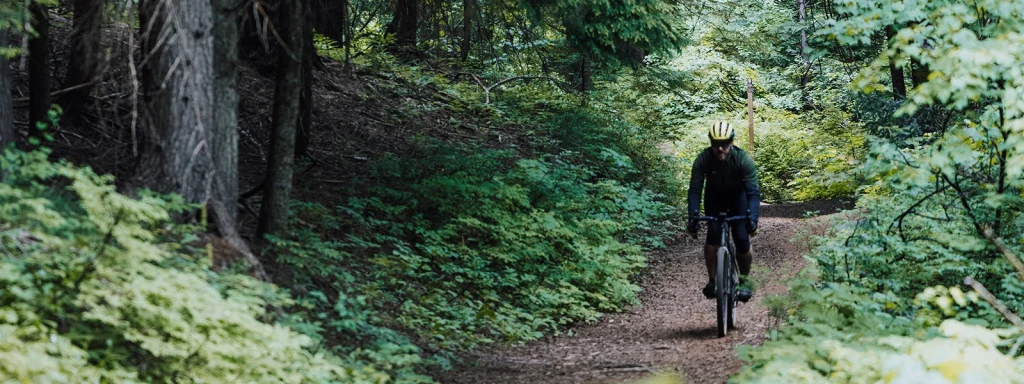
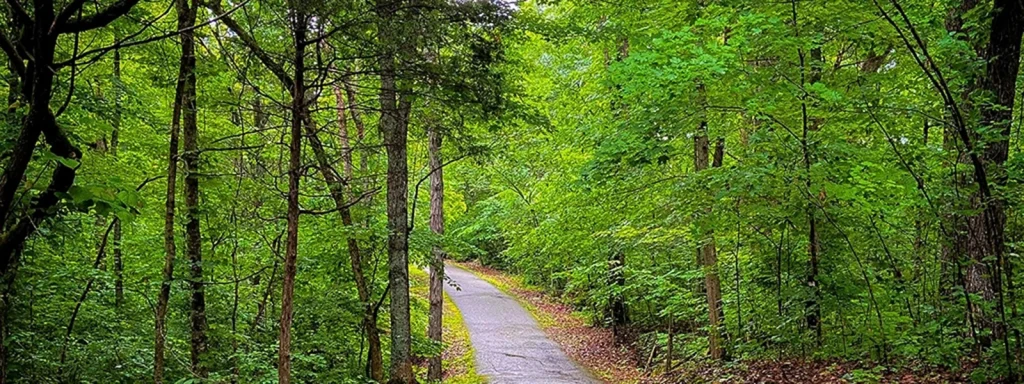
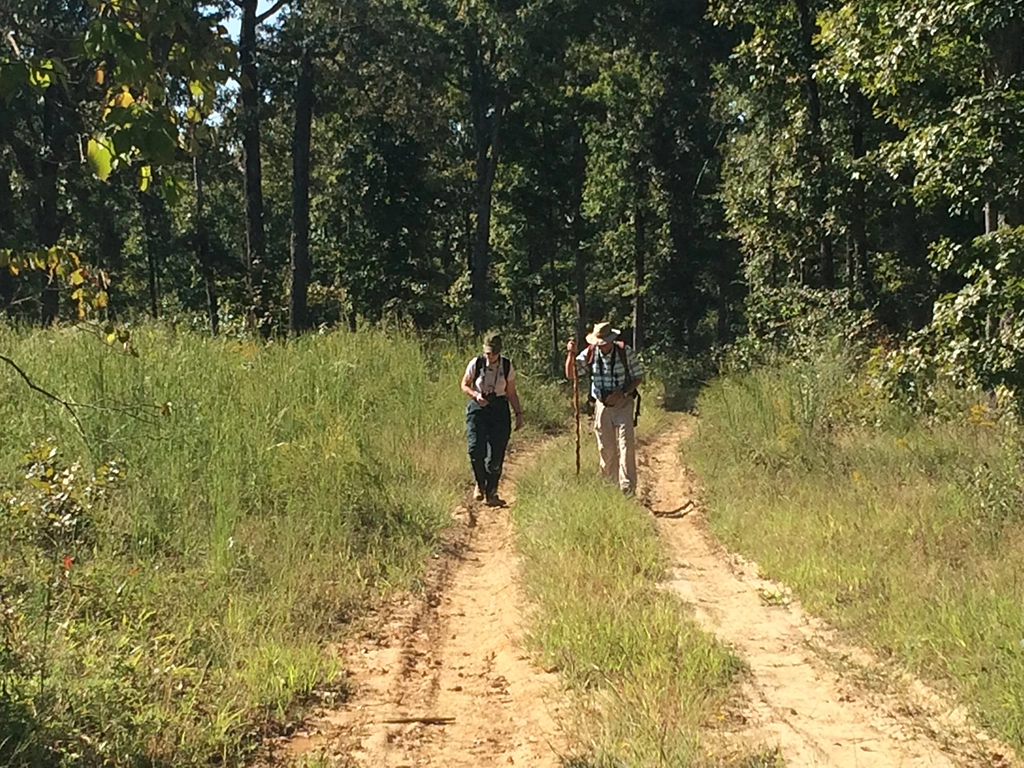
You do not have to be an experienced hiker to enjoy LBL. Shorter trails around Hematite Lake, Long Creek and historic sites work well when you only have an hour or two. Longer routes such as Canal Loop, Central Hardwoods and the North-South Trail can take up much more of the day.
The trail system also includes biking routes, horseback-riding trails and water trails. Check the distance, surface and intended use before starting. A trail that looks short on a general map may be part of a much larger system, and current weather conditions can make natural surfaces more challenging to navigate.
Camping Comes in Many Forms
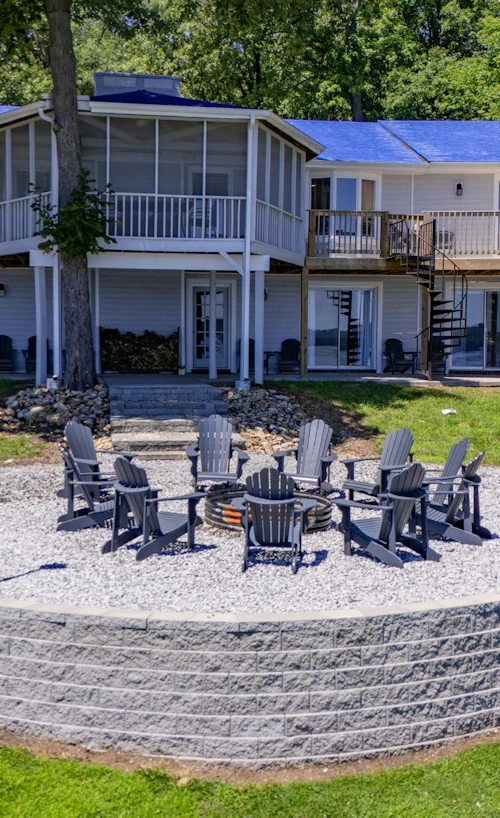
LBL has four major developed campgrounds, several basic camping areas and hundreds of dispersed camping locations. That means camping here can look very different depending on where you stay.
Before choosing a spot, think about how you want to spend the trip. Some campers want easy access to trails or the water, while others care more about hookups, bathhouses or room for a larger group. Permit requirements and available facilities can vary, so it is worth checking the details before you arrive.
Diverse Experiences
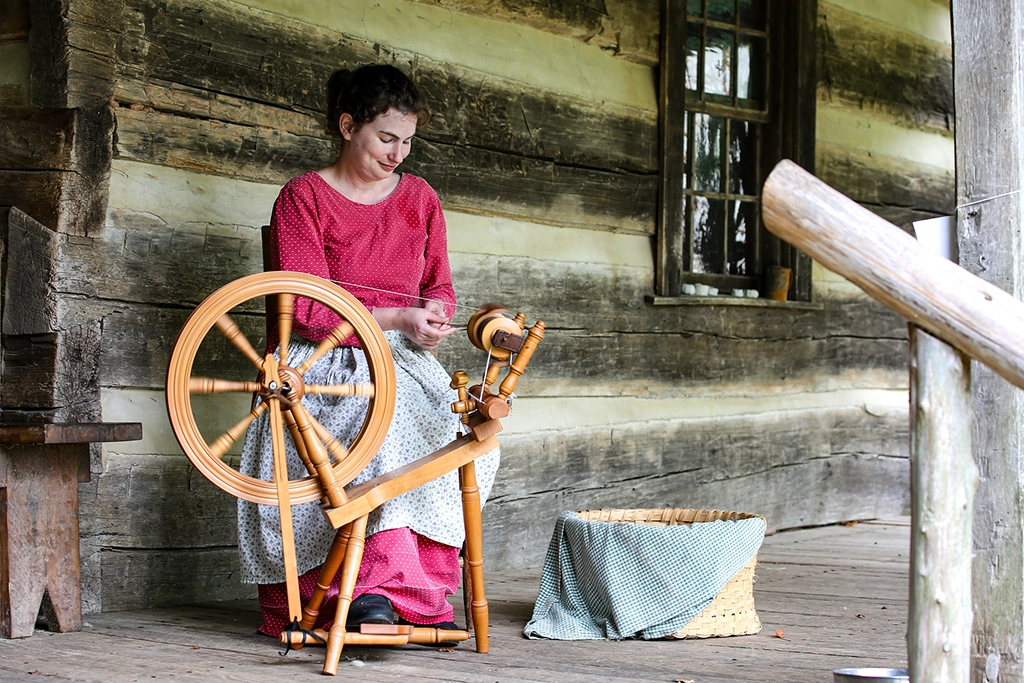
The five major attractions inside LBL are very different from one another. The Woodlands Nature Station focuses on native wildlife. The Homeplace allows you to experience history hands on by bringing an 1850s farm to life. The Elk & Bison Prairie is a drive-through wildlife experience, the Golden Pond Planetarium offers indoor programs and Turkey Bay is set aside for off-road vehicles.
That variety makes it easier to plan around the people in your group. A family with younger children may spend much of the day around the Nature Station and Hematite Lake. Someone interested in history may head south toward The Homeplace and Great Western Iron Furnace. Riders may build the entire trip around Turkey Bay.
Your First Visit Doesn't Need To Cover Everything
It is tempting to treat a first trip like a checklist. You may want to drive through the prairie, catch a planetarium show, tour The Homeplace, hike a trail and reach both lakes before heading back for dinner.
LBL is more enjoyable when you give each stop enough time. The Nature Station is not just a building to walk through in ten minutes, and The Homeplace makes more sense when you stay for the demonstrations and talk with the interpreters. Even a short trail can turn into a longer stop once you reach the lake or start seeing wildlife.
Choose one part of LBL or one main interest for the day. Add a nearby trail, historic site or shoreline stop if time allows, but don’t worry about reaching every stop in 24 hours. Most visitors won’t see everything on their first trip, but the places you miss will still be there the next time you come through.
Frequently Asked Questions
While You're There
You Might Also Like