White Crappie
White crappie are one of Kentucky Lake’s most popular panfish and have been a favorite among anglers for generations. Their excellent table fare, predictable seasonal movements, and willingness to bite make them one of the most sought-after fish in the reservoir.
Each spring, anglers head to Kentucky Lake’s shallow bays, creek arms, and shoreline cover as white crappie move in to spawn. Throughout the rest of the year, they remain closely associated with brush, standing timber, docks, and other submerged structure, providing fishing opportunities during every season.
White crappie are found throughout Kentucky Lake and are equally popular with anglers fishing from boats, kayaks, and public fishing piers.
Kentucky White Crappie Limits
Identification
How to Identify a White Crappie
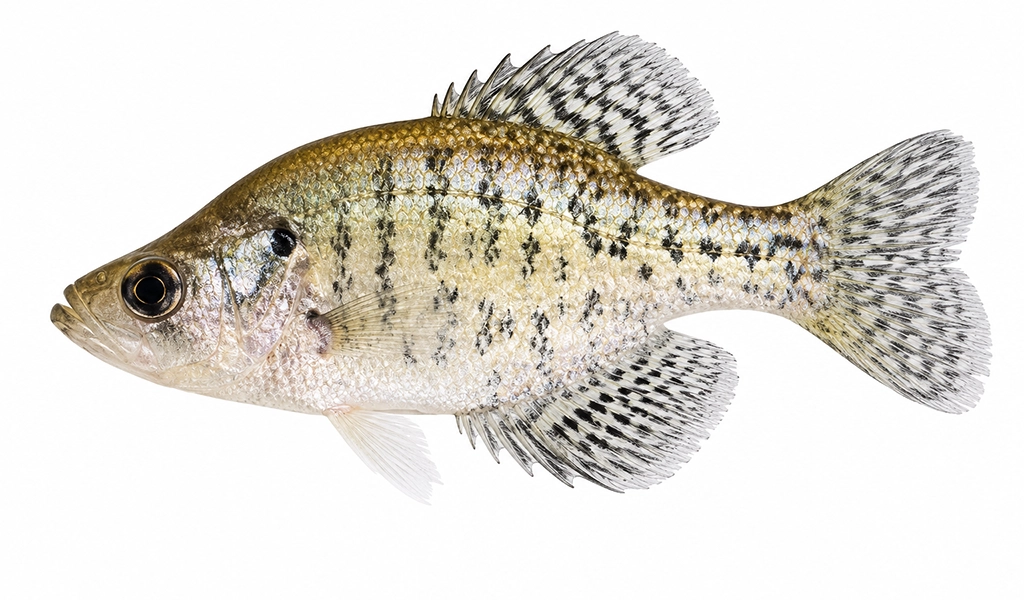
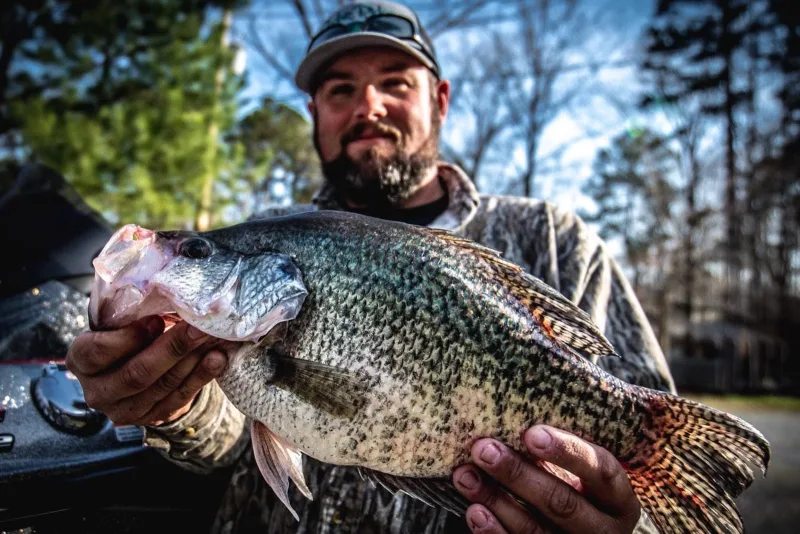
The white crappie has a deep, compressed body with a bright silver appearance and shades of green or brown across its back.
Most fish display five to ten dark vertical bars running down their sides, giving them a striped appearance rather than scattered spots. Their dorsal fin contains five or six spines, and the dorsal, anal, and tail fins often show dark markings and bands.
Their thin, deep body has earned them the nickname “papermouth,” a reference to the delicate tissue around the mouth that requires a gentle touch when landing fish.
How Big Do They Get?
Kentucky Lake produces white crappie in a variety of sizes.
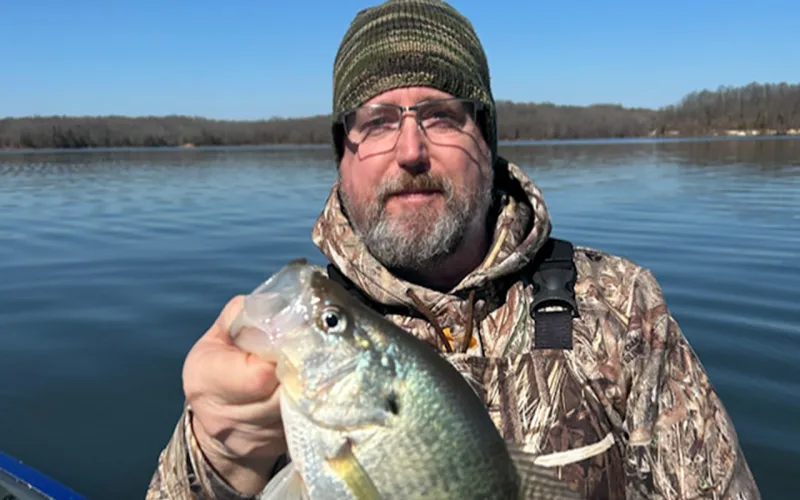
Most fish caught by anglers measure between 9 and 12 inches and weigh around one-half to one pound. Fish exceeding 12 inches are considered quality catches, while crappie approaching two pounds are memorable fish that many anglers hope to catch.
Healthy year classes and favorable conditions continue to produce good numbers of keeper-sized crappie throughout the lake.
Their reliable seasonal patterns have made white crappie a tradition for generations of Kentucky Lake fishermen.
Seasonal Fishing
Spring Fishing
Spring is widely considered the best time of year to fish for white crappie on Kentucky Lake.
As water temperatures begin to rise, fish move from deeper winter habitat into shallow coves, bays, and shoreline cover to spawn. Brush, fallen trees, docks, and stumps often hold active fish during this period.
Because crappie gather in predictable areas, spring consistently produces some of the year’s best fishing.
Summer Patterns
When summer arrives, white crappie move into deeper water.
Creek channels, standing timber, submerged brush, roadbeds, and structure near the thermocline become productive locations. Schools often suspend over deeper water rather than holding directly on the bottom.
Electronics play an important role during the summer by helping anglers locate suspended fish and submerged cover.
Fall Fishing
Fall brings cooler temperatures and another period of increased activity.
As water temperatures begin to drop, many white crappie move closer to shore and feed around brush piles, docks, and creek mouths before returning to deeper water later in the season.
This transition often creates excellent opportunities for anglers fishing artificial jigs and live minnows.
Winter Opportunities
White crappie remain active throughout the winter months.
Fish generally hold around deep brush, standing timber, creek channels, and submerged structure where water temperatures remain more stable. Slower presentations with small jigs or live minnows often produce the best results.
Winter fishing can be especially productive for anglers who locate large schools holding on deep cover.
Catching Guide
Where to Find White Crappie on Kentucky Lake
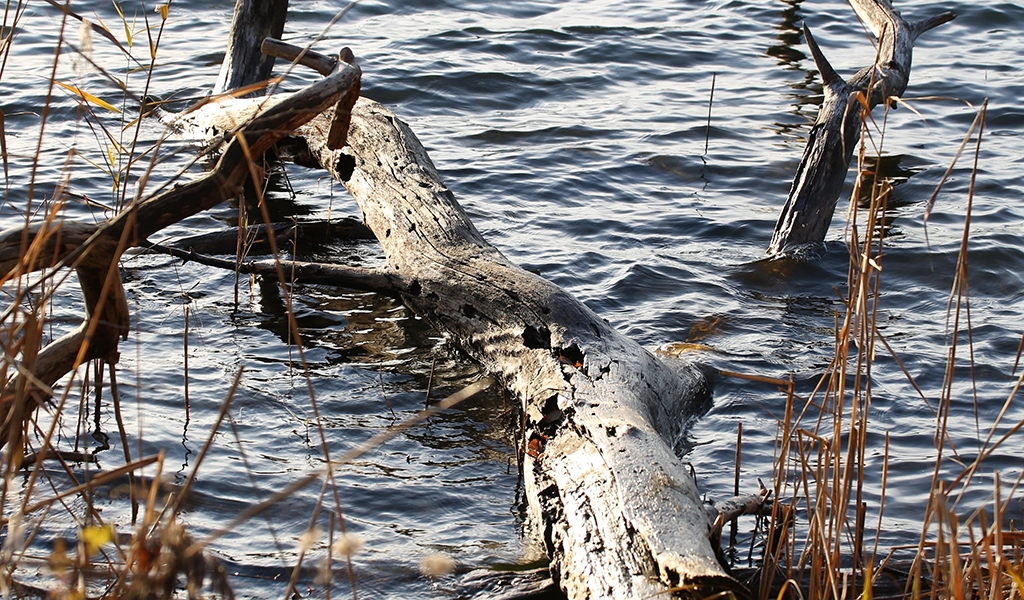
One of the reasons white crappie thrive in Kentucky Lake is the abundance of submerged cover throughout the reservoir.
Depending on the season, white crappie may be found around:
- Brush piles
- Fallen trees
- Standing timber
- Boat docks
- Stake beds
- Creek channels
- Submerged roadbeds
- Aquatic vegetation
Location often changes throughout the year as fish move between shallow spawning areas and deeper summer and winter habitat.
Many anglers also fish man-made crappie attractors placed throughout the lake to concentrate fish around structure.
What Do White Crappie Eat?
White crappie feed on a variety of forage found throughout Kentucky Lake.
Young fish primarily consume aquatic insects, freshwater shrimp, and small crustaceans. As they grow, their diet shifts toward minnows, threadfin shad, and other small baitfish.
Their feeding habits make them willing to strike live minnows, tube jigs, curly-tail grubs, small spinners, and other compact lures that imitate their natural forage.
Successful lure selection often depends on season, water clarity, and the depth where fish are suspended.
A Kentucky Lake Favorite
Few fish have become more closely associated with Kentucky Lake than the white crappie.
Each spring, anglers from across the region arrive to take advantage of one of the lake’s most anticipated fishing seasons. Their excellent table fare, reliable seasonal patterns, and abundance throughout the reservoir have made white crappie a tradition for generations of Kentucky Lake fishermen.
Learn From A Local Guide
White Crappie Frequently Asked Questions
You Might Also Like