Spotted Bass
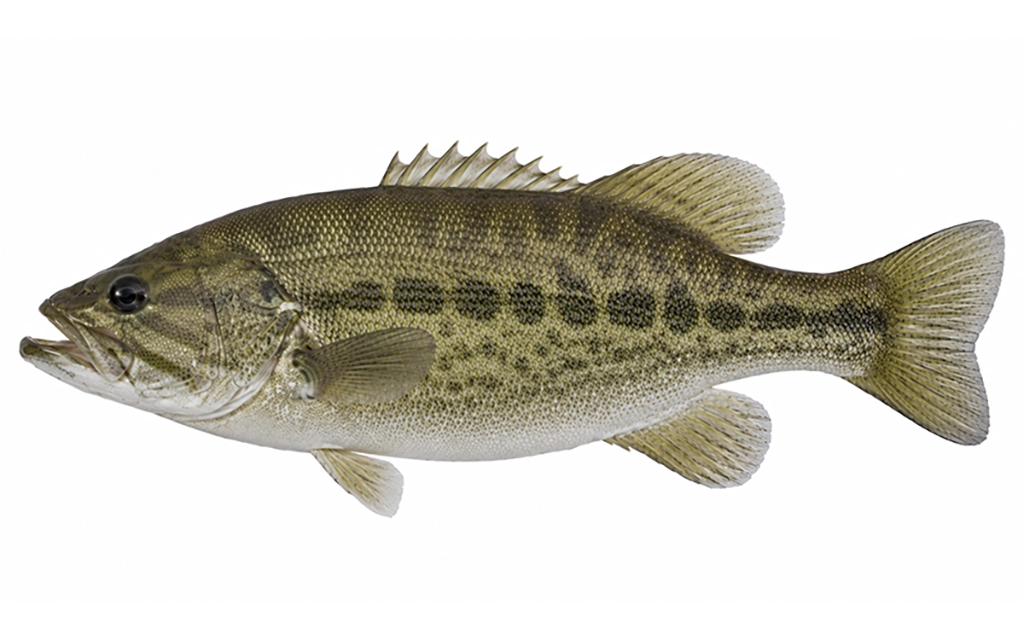
Kentucky Spotted Bass (AGI)
Kentucky spotted bass have long been part of Kentucky Lake’s diverse bass fishery. Although they don’t receive as much attention as largemouth or smallmouth bass, they are aggressive predators that provide exciting fishing opportunities throughout the reservoir.
For years, anglers have caught Kentucky spotted bass around rocky shorelines, creek channels, offshore structure, and current breaks. They are known for their willingness to strike artificial lures, their strong fight, and their tendency to school together, allowing anglers to catch multiple fish from the same area.
Kentucky spotted bass are found throughout Kentucky Lake and are a favorite among anglers who enjoy targeting bass around deeper structure and moving water.
Kentucky Spotted Bass Limits
The daily limit is the number of a particular sport fish species you may keep in one day’s fishing. A possession limit is two times thed aily limit for all fish species with a daily limit, excluding previously processed fish. These limits are set by the Kentucky Deparment of Fish & Wildlife and apply to the state of Kentucky.
Identification
How to Identify a Kentucky Spotted Bass
The Kentucky spotted bass can be easy to recognize once you know what to look for.
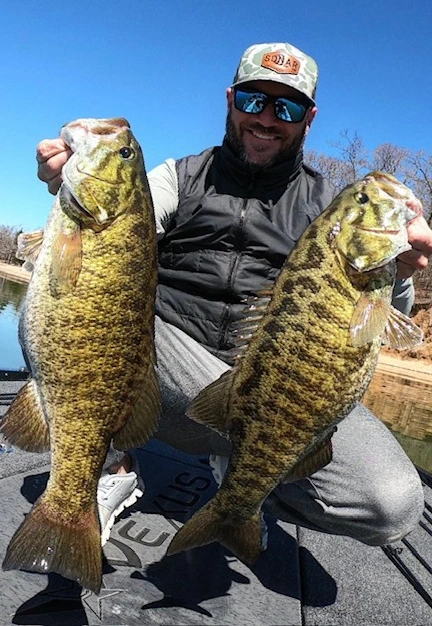
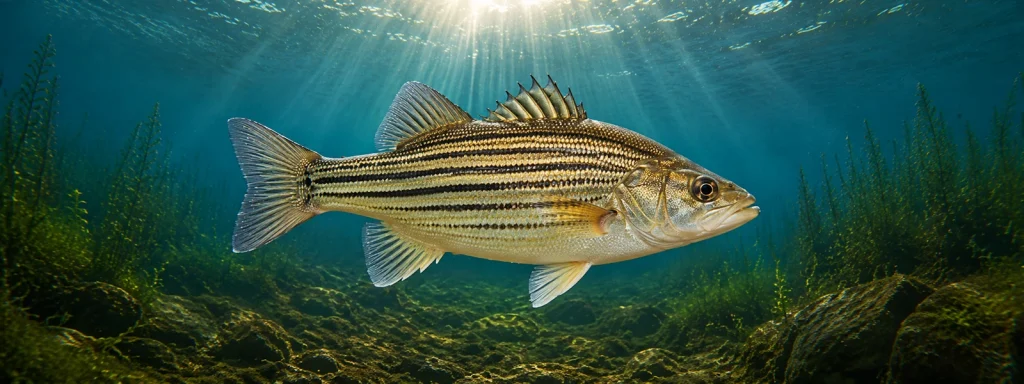
Its body is olive green with a dark horizontal stripe running along the sides, similar to a largemouth bass. Below that stripe are rows of small dark spots that give the fish its name.
The upper jaw extends only to about the middle of the eye, and the two dorsal fins are connected by a shallow notch. A rough patch of teeth on the tongue, often described as feeling like sandpaper, is another identifying feature that helps distinguish Kentucky spotted bass from other bass species.
How Big Do They Get?
Kentucky Lake produces Kentucky spotted bass in a variety of sizes.
Most fish caught by anglers measure between 10 and 16 inches and weigh one to three pounds. Fish approaching four pounds are considered excellent catches, although larger spotted bass are occasionally caught throughout the reservoir.
Kentucky spotted bass generally grow more slowly than largemouth bass but remain hard-fighting fish throughout their lives.
Spend enough time fishing Kentucky Lake, and chances are you'll eventually hook into a Kentucky spotted bass.
Seasonal Fishing
Spring Fishing
Spring is one of the best times of year to catch Kentucky spotted bass on Kentucky Lake.
As water temperatures begin to rise, fish move from deeper winter locations toward rocky banks, gravel areas, and spawning habitat. They are often more active during this period and can be found in relatively shallow water.
Spawning activity generally peaks in April and early May, although timing varies with weather and water temperatures.
Summer Patterns
When summer arrives, many Kentucky spotted bass shift toward deeper water.
Ledges, creek channels, submerged points, and offshore structure become productive areas as fish relate to current and schools of baitfish. Because spotted bass often school together, anglers may catch several fish from the same piece of structure.
Summer fishing is often most productive during periods of current generation.
Fall Fishing
Fall brings cooler temperatures and increased feeding activity.
As schools of shad move throughout Kentucky Lake, spotted bass frequently follow. Fish may be found feeding along rocky points, channel edges, and other areas where baitfish are concentrated.
Moving baits can be especially effective as fish become more aggressive ahead of winter.
Winter Opportunities
While winter receives less attention than the warmer months, Kentucky spotted bass remain active throughout the season.
Fish generally hold near deeper channels, ledges, and rocky structure where water temperatures remain more stable. Slower presentations often produce the best results during colder weather.
For anglers willing to fish during the winter, spotted bass can provide consistent action with relatively little fishing pressure.
Catching Guide
Where to Find Kentucky Spotted Bass on Kentucky Lake
Kentucky spotted bass prefer many of the same habitats found throughout Kentucky Lake, particularly areas with rock, current, and deeper water.
Depending on the season, they may be found around:
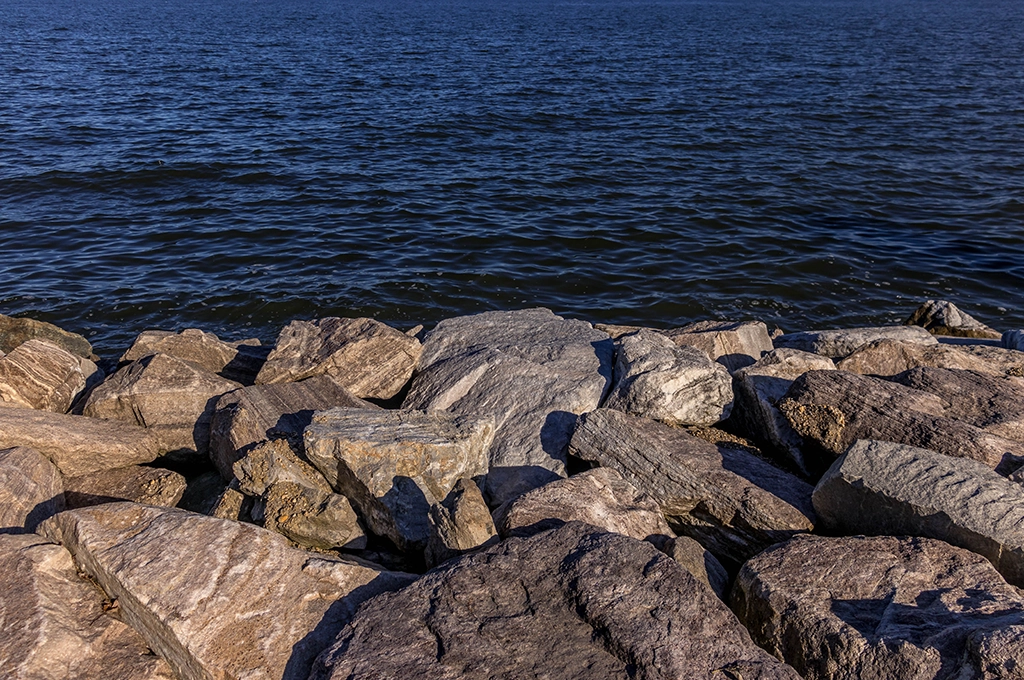
- Rocky points
- Gravel banks
- Creek channels
- Riprap
- Offshore humps
- Ledges
- Submerged timber
- Current breaks
Location changes throughout the year as spotted bass follow baitfish, respond to water temperatures, and move between shallow and deeper structure.
Current generation from Kentucky Dam frequently positions fish along ledges, points, and channel swings where food is carried past waiting bass.
What Do Kentucky Spotted Bass Eat?
Kentucky spotted bass are opportunistic predators that feed on a variety of forage found throughout Kentucky Lake.
Common food sources include threadfin shad, minnows, crawfish, aquatic insects, and other small fish.
Their feeding habits make them willing to strike a variety of artificial lures. Popular choices include soft plastic worms, jigs, crankbaits, spinnerbaits, swimbaits, finesse worms, and Ned rigs.
Successful lure selection often depends on season, water temperature, water clarity, and forage activity.
A Kentucky Lake Favorite
Kentucky spotted bass may not receive the same attention as some of the lake’s other bass species, but they have earned a loyal following among anglers.
Their aggressive strikes, schooling behavior, and willingness to hit artificial lures make them a rewarding fish to target throughout the year. Spend enough time fishing Kentucky Lake’s rocky points, creek channels, and offshore structure, and chances are you’ll eventually hook into a Kentucky spotted bass.
Learn With Local Guides
Spotted Bass Frequently Asked Questions
You Might Also Like