Understanding Kentucky Lake Water Levels
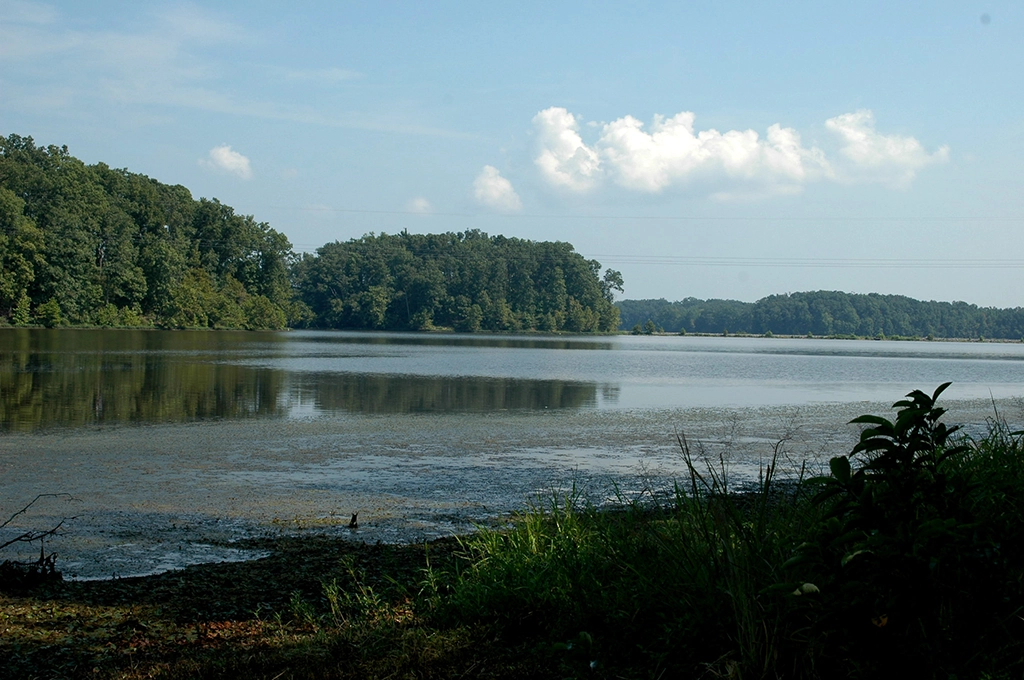
A New Kentucky Lake at Each Visit
Kentucky Lake’s Changing Shoreline
If you’ve visited Kentucky Lake during different times of the year, you’ve probably noticed the shoreline doesn’t always look the same.
One trip might reveal wide beaches, exposed rock points, and longer boat ramps. A few months later, those same areas could be completely underwater. That’s because Kentucky Lake isn’t a natural lake – it’s a managed reservoir, and changing water levels are a normal part of how it operates.
Understanding those changes doesn’t require knowing a lot about dams or engineering. A basic understanding of how Kentucky Lake works will help you launch more confidently, navigate more safely, and better understand what you’re seeing once you’re on the water
Kentucky Lake Changes with the Seasons
Unlike many lakes, Kentucky Lake doesn’t stay at the same elevation year-round.
Each year, the Tennessee Valley Authority (TVA) follows a seasonal operating plan known as the Guide Curve. Water levels gradually rise through the spring, remain near summer pool during the busiest boating season, and slowly decline through the fall until winter pool is reached.
Typically, TVA/USACE raises the lakes on April 1 to summer pool level on May 1. On July 4, a slow descent begins toward winter pool on December 1.
While heavy rainfall or drought can temporarily change those levels, this seasonal cycle repeats every year.
Summer Pool vs. Winter Pool
You’ll often hear local boaters talk about summer pool and winter pool.
Summer pool is approximately 359 feet above sea level and is the target elevation during the primary boating season. At this level, marinas, boat ramps, docks, and recreational areas are operating under the conditions most visitors expect.
Winter pool is approximately 354 feet above sea level, about five feet lower than summer pool.
Five feet may not sound significant until you see it in person. Shorelines become much wider, shallow structure is exposed, many docks sit noticeably higher above the water, and some boat ramps extend much farther before reaching the lake.
For anglers, that drawdown also reveals rock piles, brush, old roadbeds, and other underwater structure that remains hidden for much of the year.
Current Lake Levels & Guide Curve Chart (Explore Kentucky Lake)
Managing Levels
TVA Adjusts Conditions
Kentucky Lake is one reservoir within the larger Tennessee River system.
TVA manages water levels to balance several responsibilities at the same time, including flood control, commercial navigation, hydroelectric power generation, recreation, and downstream river conditions.
Lowering the lake during the fall creates additional storage capacity for winter and spring rainfall. As conditions improve, the reservoir gradually returns to summer pool ahead of peak recreation season.
Although TVA follows the Guide Curve each year, weather always has the final say. Heavy rainfall, extended dry periods, or changes in river flow can cause lake levels to temporarily rise above or fall below the seasonal target.
What Changing Water Levels Mean for Visitors
Water Levels and Boating
Water levels influence nearly every part of a day on the water.
During winter drawdown, boat ramps become longer, docks sit higher above the water, and shallow hazards such as rock bars, stump fields, and shoreline points become more visible. At summer pool, much of that structure is covered, creating the lake conditions many visitors associate with boating season.
Following periods of heavy rain, floating logs and other debris may also be present, particularly near the main river channel and below Kentucky Dam. Checking current lake conditions before launching helps you prepare for changing conditions and navigate more confidently.
Water Levels and Fishing
Seasonal water levels play an important role in fish behavior.
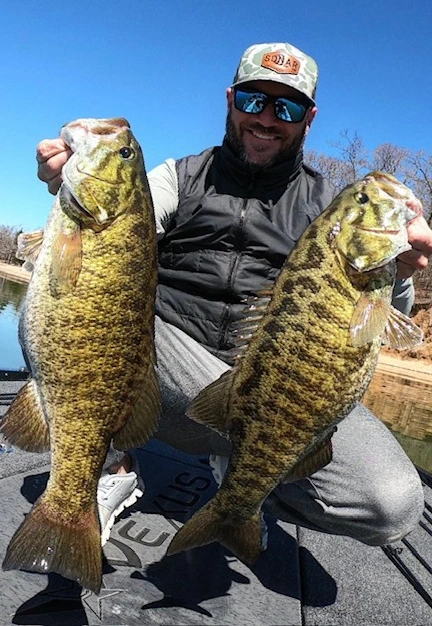
As the lake rises in spring, many species move into newly flooded shoreline habitat to spawn and feed. Stable summer water supports established seasonal patterns, while fall drawdown and winter pool often shift fish toward creek channels, ledges, and deeper structure.
Water level is one factor anglers consider alongside water temperature, weather, and current generation when planning a day on Kentucky Lake.
Water Levels and Camping
Changing water levels can noticeably reshape the shoreline around Kentucky Lake campgrounds.
During summer pool, waterfront campsites often provide convenient access for swimming, kayaking, and launching small boats. As the lake drops toward winter pool, beaches become wider, shoreline access changes, and docks or courtesy ramps may sit farther from the water.
Checking current lake levels before your trip helps set expectations and makes it easier to plan activities around your campsite.
Understanding the Lake Makes Every Trip Better
Changing water levels are simply part of life on Kentucky Lake. The shoreline you see in July won’t look exactly the same in January, and that’s by design.
Knowing why those changes happen helps you understand the lake a little better each time you visit. Whether you’re launching a boat, casting a line, or spending the afternoon exploring the shoreline, checking current conditions before your trip is one of the easiest ways to make the most of your time on Kentucky Lake.
Frequently Asked Questions
You Might Also Like